iOS and Android app design for Riyadh, Saudi Arabia
Mobile app design and development in Riyadh, Arabic first on iPhone and Android
I'm Maniruzzaman Jubayer, a senior designer whose team handles mobile app design and development in Riyadh for founders whose users read Arabic first, sign in with Nafath and pay with mada or Apple Pay. My team and I design and build your iOS and Android app, from the first flow to the store listing, working from Dhaka, where the clock runs three hours ahead of yours and the weekend also falls on Friday and Saturday.
In an Arabic app the back arrow points right, and every screen has to agree with it.
Free 30 min intro call in Riyadh time · iOS and Android · One fixed quote
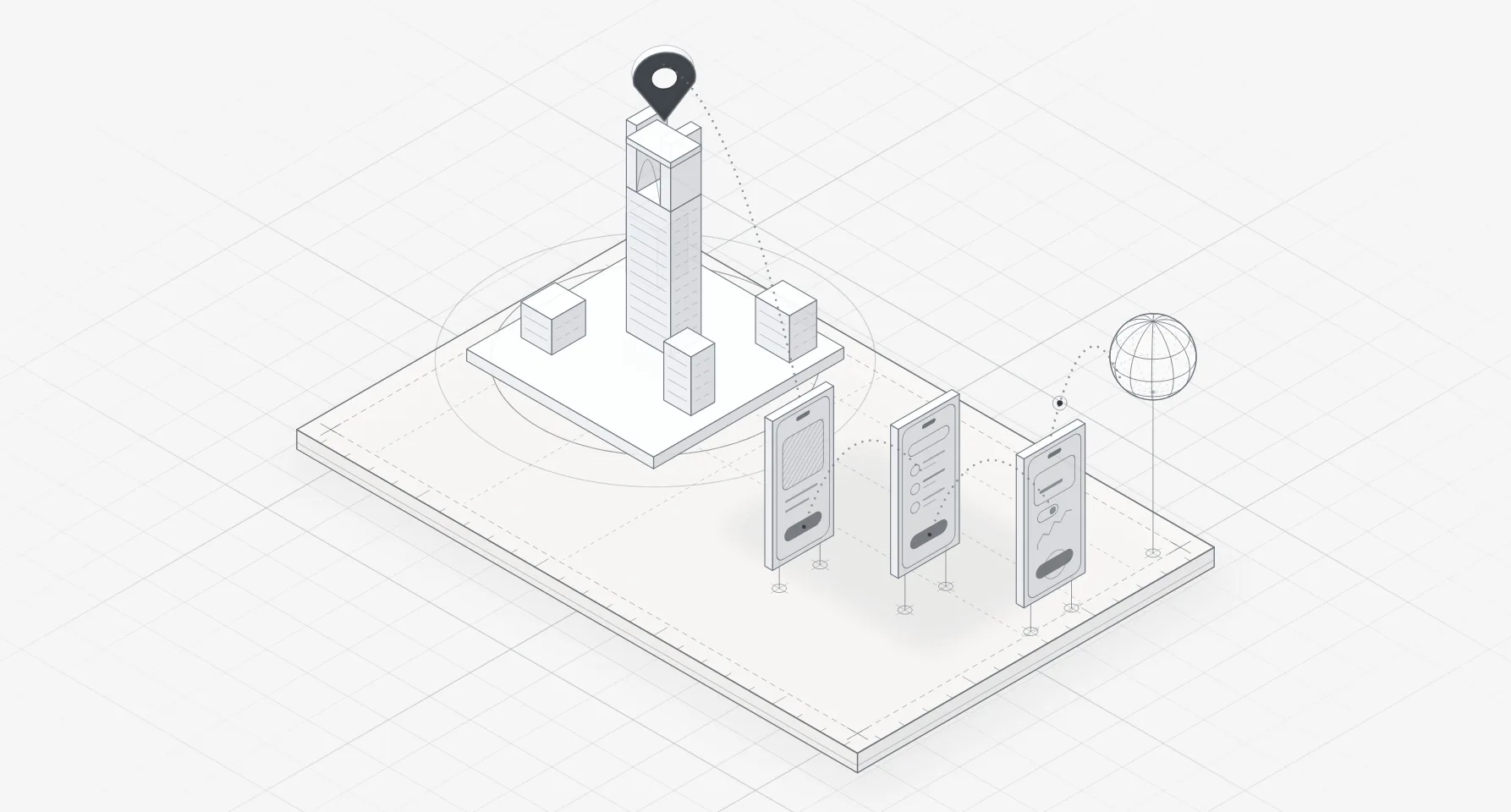
Founders with apps in fintech, health and delivery work with me






- Years leading a design team
- 3+
- Products shipped
- 50+
- Behance gallery features
- 22




Product designer and design lead, with a senior team behind me
Arabic mobile app UX in Riyadh: four problems I fix before launch
In StatCounter's September 2026 figures, iPhones carried 51.6% of Saudi mobile web traffic and Android 48.4%. A Riyadh app has to feel at home on both, and these are the problems that show first.
Problem 01
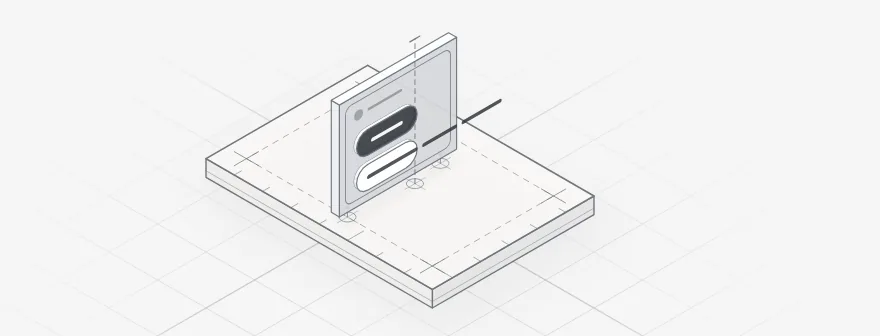
Arabic labels that no longer fit
Apps drawn in English and translated late get clipped Arabic tab labels, wrapping buttons and digits in the wrong style. Apple suggests Arabic about 2 points larger beside capital Latin letters. I size Arabic first, test it at the largest text settings and pick Eastern or Western digits per screen.
Problem 02
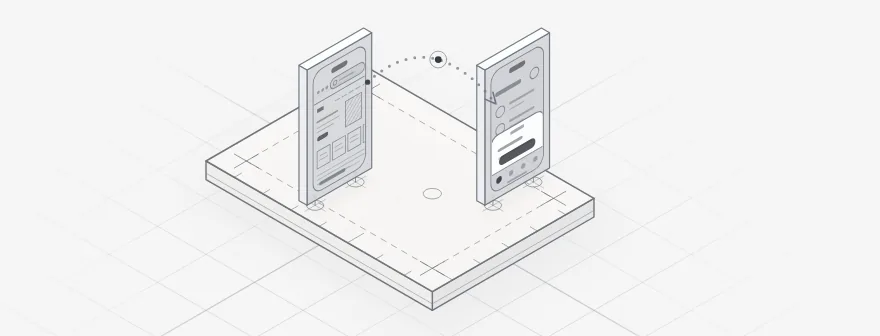
A wrapped website that never learned right to left
Your users move between your app and national ones like Tawakkalna, which serves more than 36 million citizens, residents and visitors. A web view whose back arrow points left feels foreign beside them. I design native navigation for iOS and Android, with back pointing right and gestures and layouts mirrored.
Problem 03
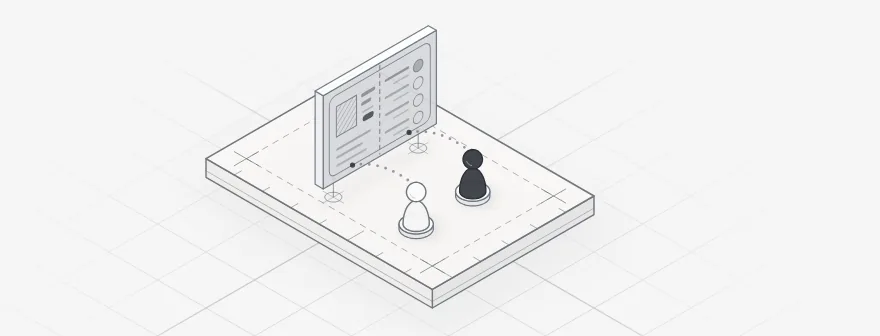
Citizens and residents in one app
The 2022 census counted 13.4 million non-Saudis, 41.6% of everyone in the Kingdom. One app often serves a Saudi reading Arabic and a resident reading English, signing in with a national ID or an Iqama. I design both paths together, with the language, ID fields and help each person needs.
Problem 04
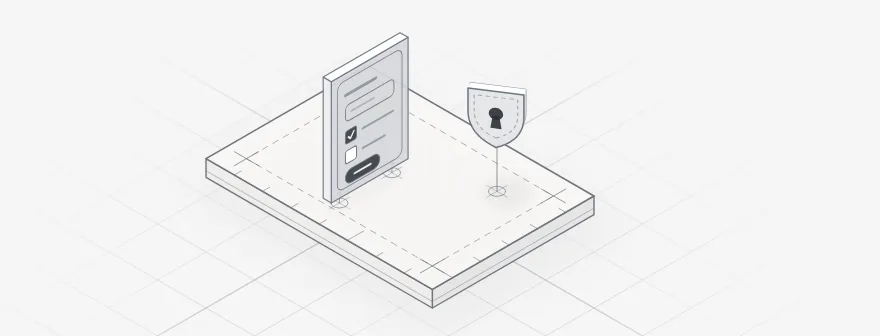
Consent squeezed into one checkbox
The PDPL's implementing regulation asks for separate consent for each purpose, explicit consent for sensitive and credit data, and withdrawal as easy as giving it. On a phone that sits beside the system permission prompts. I design both as one calm sequence, asked only when a feature needs it.
Mobile app work picked for Riyadh
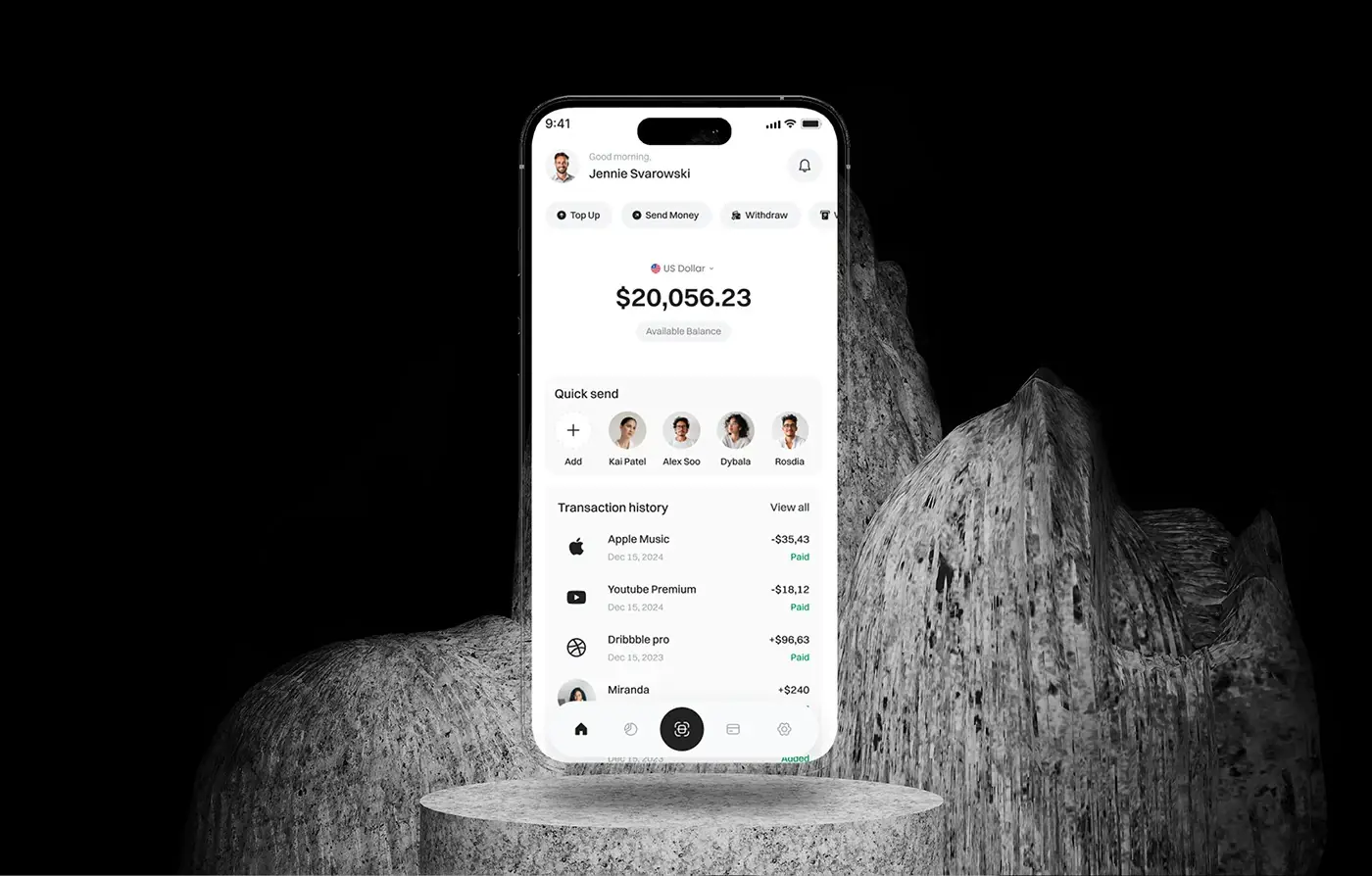
Three phone-first projects from my team: a wallet app for moving and tracking money, a mental wellbeing platform with web and app screens, and app screens for a farming company. Payments, health and food security each have their own Vision 2030 programme in the Kingdom.
Product design · Fintech
ZenPay
A fintech app for payments, expense tracking and budgets, with its research, user flow and UI design.
View case study →
Website design · Health
Sovia
Website and app screens, with the identity behind them, for a digital health platform that makes recovery feel human.
View case study →
Product design · Agriculture
Kresho
An agriculture product that blends nature and technology: app screens for farmers, with the identity and campaigns around them.
View case study →Does your app still point left in Arabic? Let's mirror it properly.
Tafaddal, book a calliOS and Android app development for Saudi Arabia: what I deliver
Six pieces of work, each listed in the scope up front, so Nafath, payments, consent and Hijri dates arrive as designed states instead of last-sprint patches.
Arabic-first screens for both platforms
Each screen laid out right to left before its English twin exists, following Apple's guidelines and Material Design, with Arabic type sized on real phones and digits chosen for each context.
Nafath sign-in on the phone
The ID or Iqama field, the number to match, the jump to the Nafath app and back, plus waiting, expired and declined states and a fallback for anyone without Nafath.
mada, Apple Pay and Google Pay checkout
Payment sheets and card forms for mada and both wallets, with 3D Secure, failure and refund states, and the full price shown before anyone confirms, as Apple asks of Apple Pay apps.
Hijri dates in native pickers
Date fields built on the Umm al-Qura calendar that iOS and Android both support, with Hijri and Gregorian labelled side by side wherever a booking, payment or document needs both.
PDPL consent and permission flows
Consent for each purpose, explicit consent for sensitive data, permission prompts asked in context, and a privacy screen where people withdraw consent as easily as they gave it.
The app itself, built and store-ready
One codebase for iPhone and Android, written by my developers in React Native or Flutter depending on the product, the admin panel in React and Next.js, and Arabic and English store screenshots. Mobile engineers of your own receive the tested design system and specs instead.
How an app project runs with a Riyadh team
Four steps on your Sunday to Thursday week, built on my mobile app design process and tuned for Arabic, Nafath and two app stores.
- 01
Free 30 minute intro call
A video call on Google Meet, any Sunday to Thursday, at an hour that suits Riyadh. Show me the app or prototype, the users it is for and the release you are aiming at, and you leave knowing honestly whether we are the right team.
- 02
Written scope and one fixed quote
I list every flow on iOS and Android in Arabic and English, each Nafath, payment and consent state, and the target store date, then quote the whole app as a single fixed sum. No retainer, no hourly meter.
- 03
Design sprints tested on real phones
Weekly Figma sprints with Arabic screens first, and prototypes your team and early users try on their own iPhones and Android phones. You get a written note in Slack every two days, and your native speakers approve the words.
- 04
Build sprints and store release
My developers build the app in React Native or Flutter, with a fresh test build on your phones each week and the admin panel growing beside it. Arabic and English listings and reviewer notes go to Apple and Google on a date we set around Ramadan and Eid.
Working with me from Riyadh: the practical details
- Platforms
- iPhone and Android, built in React Native or Flutter, with tablets wherever your field teams carry them
- Languages
- Arabic-first screens checked by your native speakers; English in our meetings
- Shared hours
- 7 hours of the Riyadh working day, with Riyadh on UTC+3 and Dhaka on UTC+6
- Working week
- both countries work Sunday to Thursday and rest on Friday and Saturday
- Ways to talk
- reviews on Google Meet, Slack between calls, and comments pinned to the Figma prototypes
Industries the Kingdom is building apps for
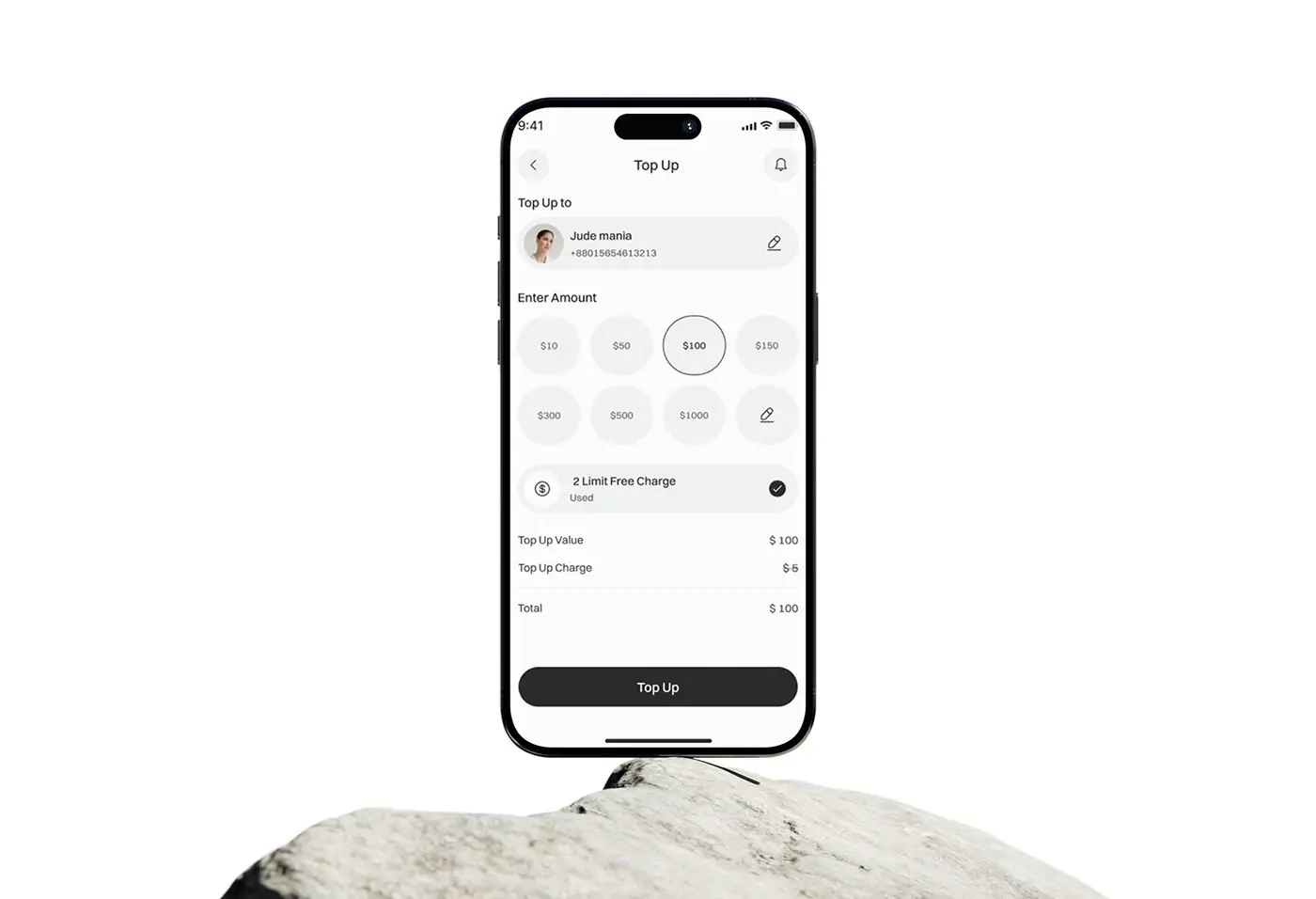
Facts come from the Vision 2030 Annual Report 2025, SAMA and each sector's regulator. Each picture is a screen from our own work in that field, never from a Saudi client.
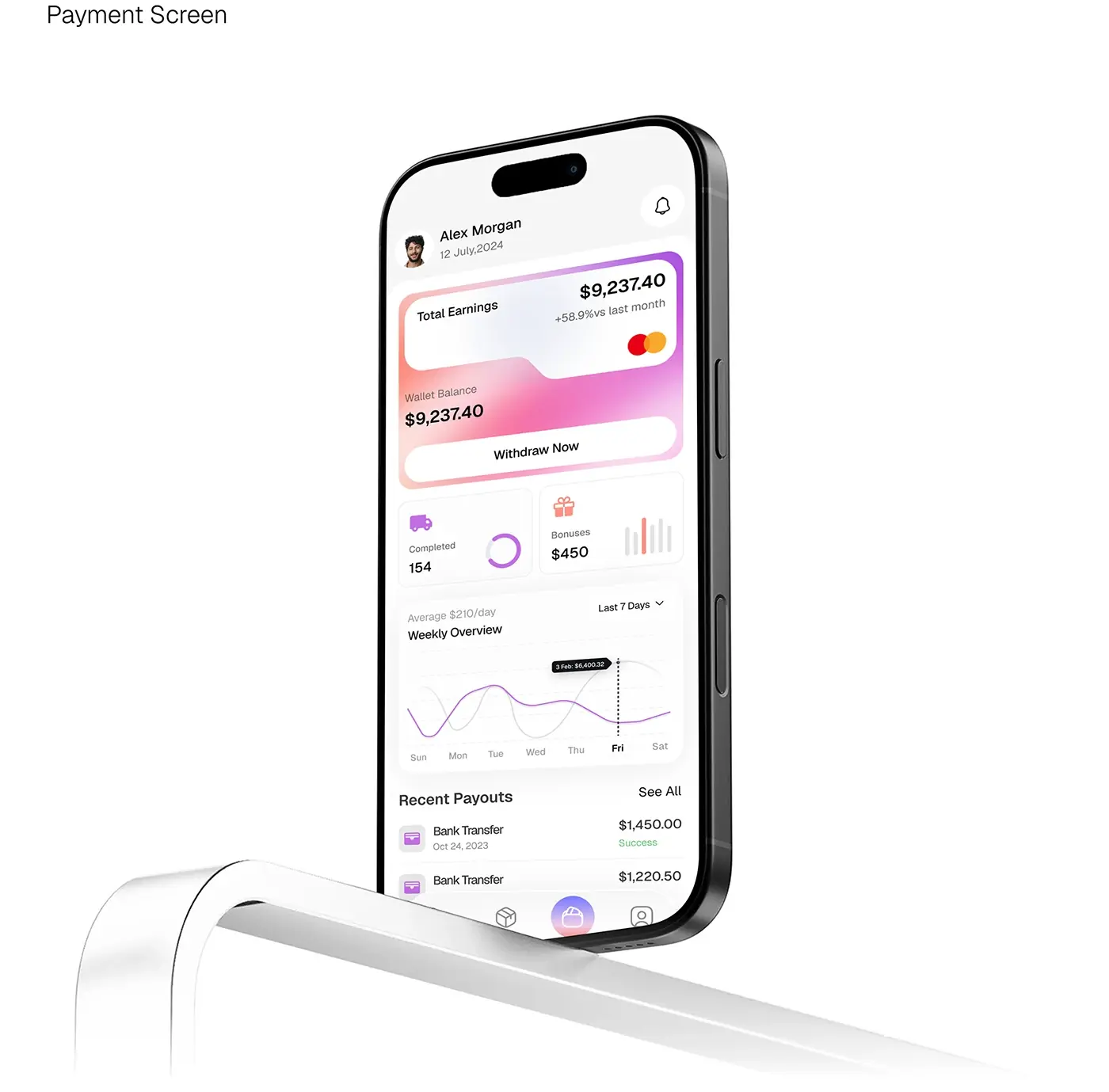
Fintech and digital wallets
SAMA's sandbox lets fintechs test with real customers for six to 12 months, and they must tell those customers the test's duration, limits and risks. Wallet apps need that disclosure, Nafath onboarding and transfers people can trust.
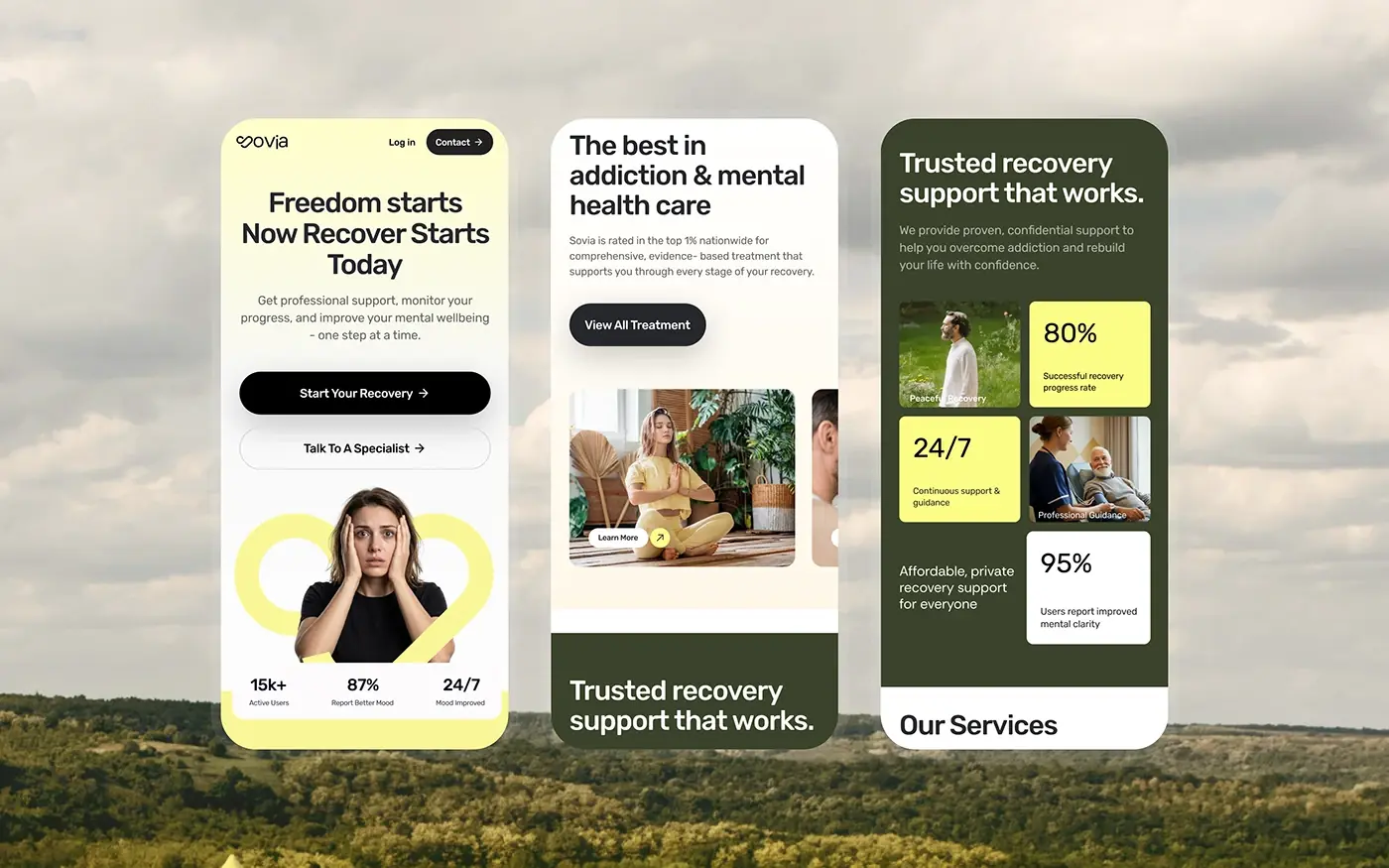
Wellbeing and healthcare
Vision 2030's 2025 report counts 241 hospitals linked to the SEHA Virtual Hospital. Health and wellbeing apps need Arabic-first booking, explicit consent for health data and notifications that never show a diagnosis on the lock screen.
Retail, e-commerce and delivery
Apple Pay has carried mada cards since 2019, and SAMA made Google Pay available in September 2025. Shopping apps need both wallets, Arabic product pages and order tracking that holds from checkout to the doorstep.
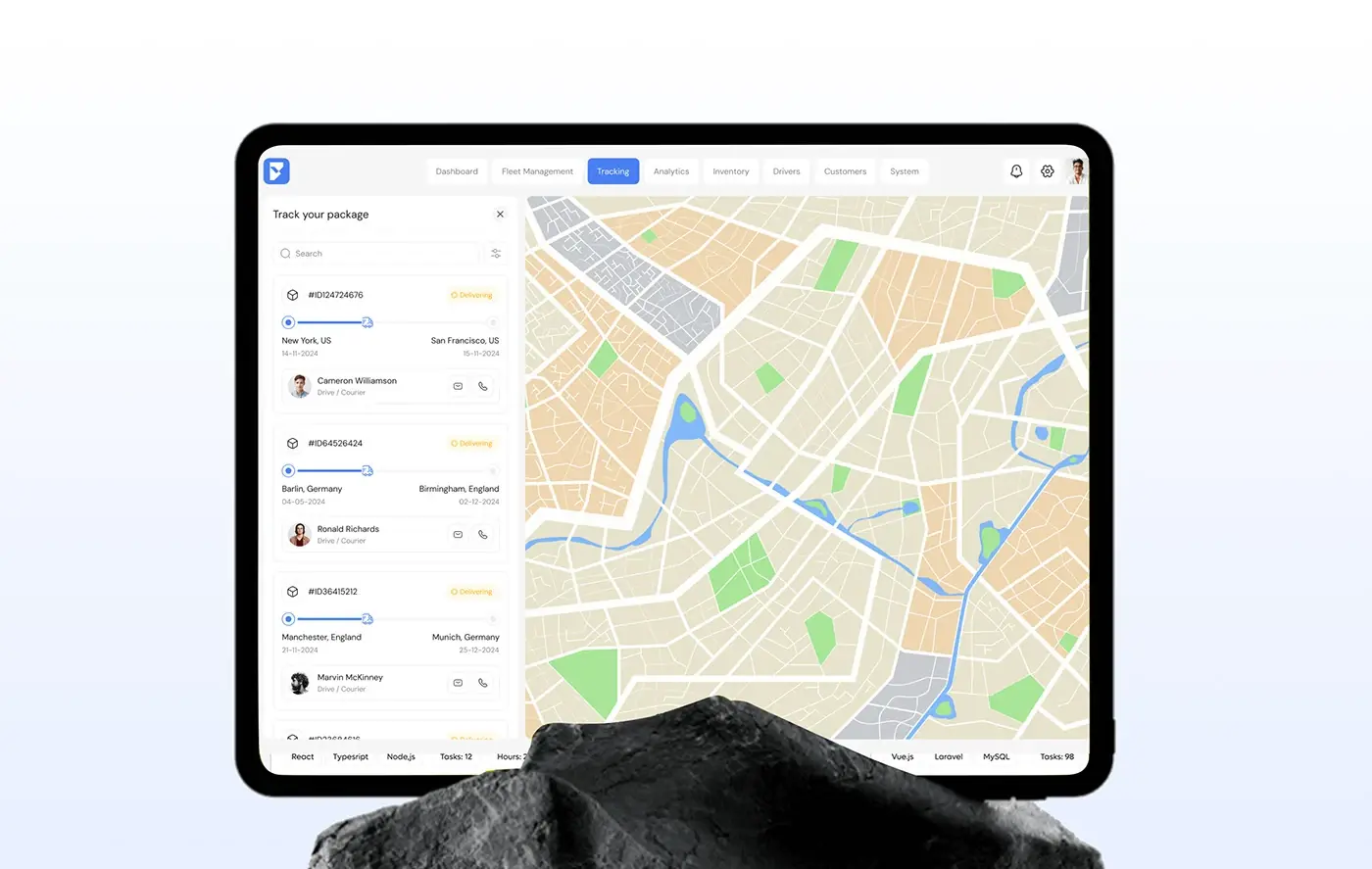
Logistics and fleets
Transport General Authority rules make delivery apps verify each driver's face through a system linked to the authority. Driver and fleet apps need that check to be quick, plus Arabic maps, large controls and dispatch views on tablets.
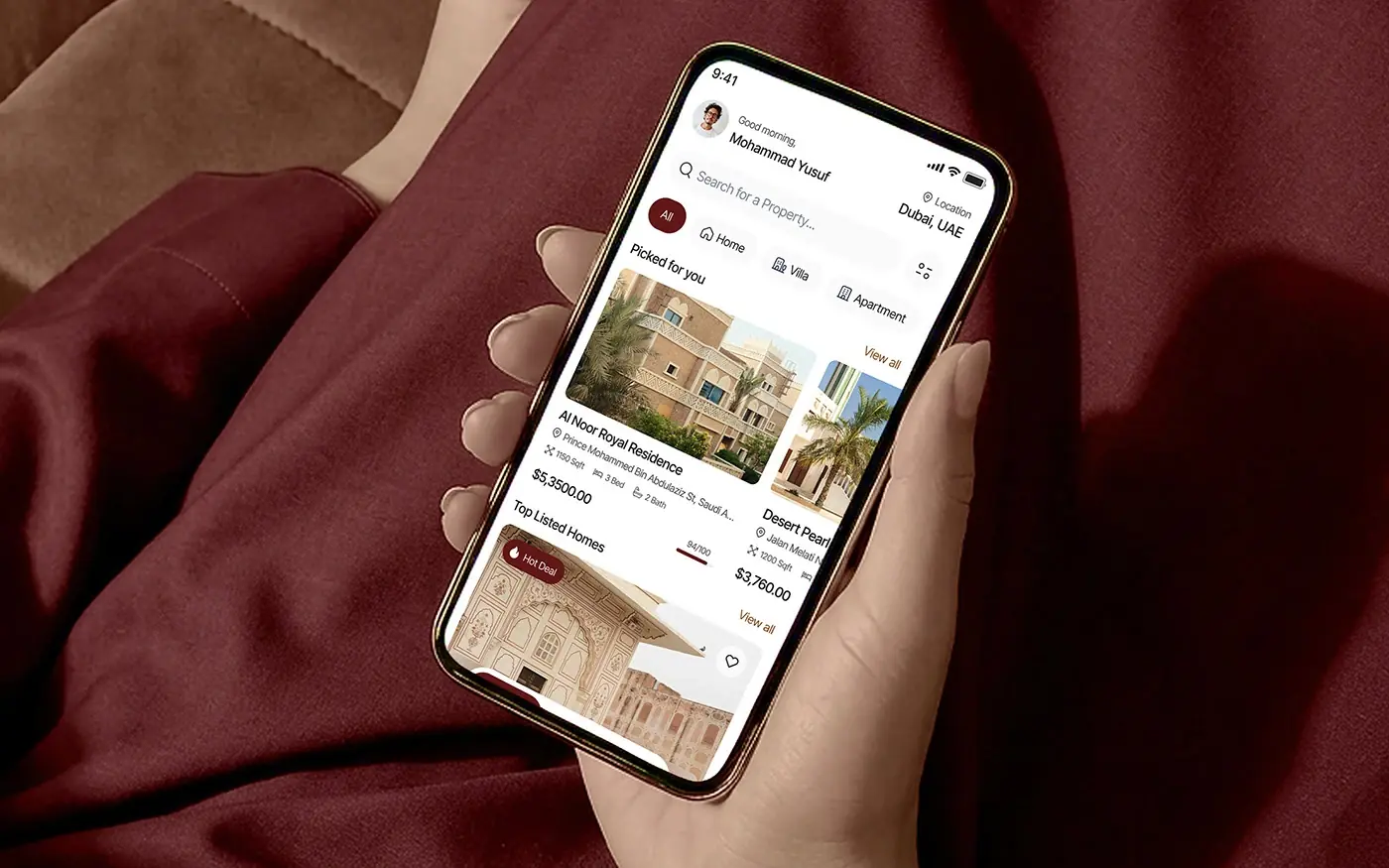
Housing and property
Saudi family homeownership reached 66.24% in 2025, and the Sakani app, launched in 2017, lets families check eligibility and reserve homes. Property apps need Arabic listings, floor plans and financing steps that work on a phone.
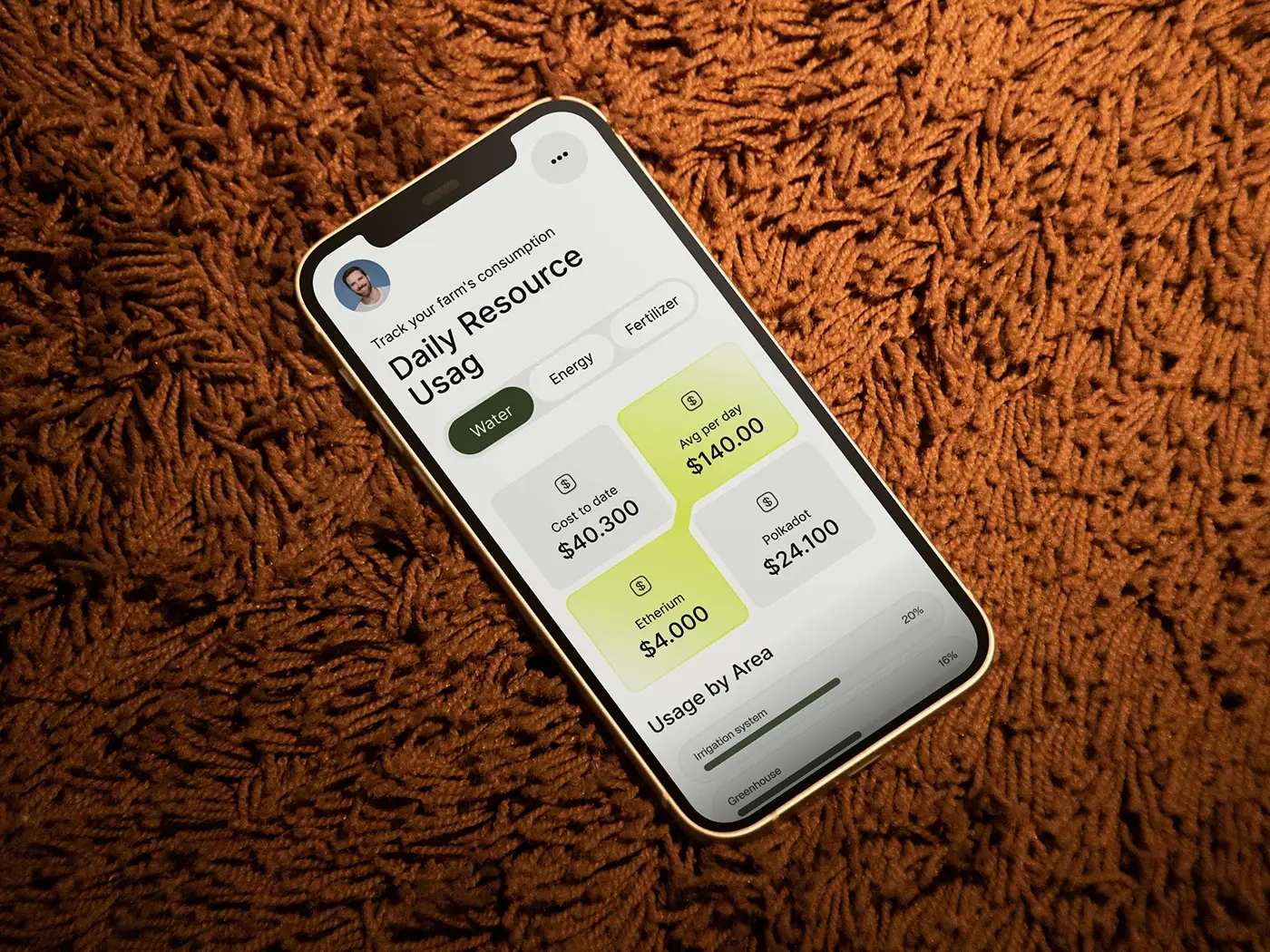
Agriculture and water
The Reef Saudi Arabia programme gave small farmers more than $770 million of direct support between 2020 and 2025. Farm apps need Arabic-first screens, large controls, offline saving and water and resource tracking that reads in bright sun.
Working day to day with app teams in Riyadh
Remote from Dhaka, but inside your week, your users' language and your market's rules.
No account manager between us
The designers drawing your screens and the developers building your app share one Slack channel and the same calls with you. Nobody relays messages, and I lead every review myself.
Same weekend, three hours apart
Saudi Arabia and Bangladesh both rest on Friday and Saturday, so your Sunday to Thursday is our working week. Dhaka is three hours ahead, 7 hours of your day is shared, and every invite goes out in Riyadh time.
Written, tracked and on your phone
Figma from day one, decisions written down, a short Slack report every 48 hours and one review call each week. Prototype links, and later each test build, open on your own phone, so your team can try them between reviews.
I know the Saudi app stack
Nafath, mada, Apple Pay and Google Pay, STC Bank and other wallets, the PDPL and SDAIA, TGA driver checks, the CST's platform rules and Hijri dates are on my checklist from the first call.
Hiring app developers in Saudi Arabia, a freelancer or my team: how they compare
None of the three is wrong for every team. This is how they stack up for an Arabic-first app on iOS and Android.
| What you get | With me | In-house hire | Freelancer |
|---|---|---|---|
| Starts without a recruitment round or a visa | Yes | No | Yes |
| Arabic-first iOS and Android screens, mirrored natively | Yes | Sometimes | Sometimes |
| Nafath, mada and Apple Pay states written into the scope | Yes | Sometimes | Sometimes |
| PDPL consent and permission prompts designed together | Yes | Sometimes | No |
| Store review readiness for a regulated fintech or health app | Yes | Sometimes | Sometimes |
| iOS and Android app built by the team that designed it | Yes | No | Sometimes |
| At a desk in your Riyadh office each weekday | No | Yes | Sometimes |
Who I help in Riyadh
Most Riyadh app teams who reach me fall into one of these four groups. A 30 minute call settles whether we fit.
Fintechs in or after the sandbox
If you are testing under SAMA's sandbox or preparing for a licence, my team designs and builds onboarding, wallet and disclosure screens to the standard regulated apps need, with a written record your compliance team can follow.
Government-linked and enterprise teams
Citizen and staff apps that sit beside national platforms such as Tawakkalna need bilingual flows, Nafath sign-in and careful data handling. I fit into your approval chain and write down every decision, so sign-off never stalls on a missing reason.
Tourism, events and entertainment
Vision 2030's 2025 report counts 123 million tourists and more than 17 million Riyadh Season visitors. Ticketing, venue and travel apps open on dates that cannot move, so I plan design and store review backwards from opening day.
Regional apps entering the Kingdom
If your app began in Dubai, Cairo or Europe, Saudi users will expect Nafath, mada and Arabic that reads natively. I adapt the flows for them and keep one design system across every market you serve.
More services for Riyadh teams
Apps rarely ship alone. Most Saudi teams also need the website, the product dashboard or the web build.
Founders on building their apps with me
Working with Jubayer and the team has been a blast. Their creativity has honestly taken our platform to new heights. Incredibly professional and so proud to work with, we’re over the moon with their results, and we can’t wait to team up with them again.

I highly recommend Jubayer for any design project. He quickly grasps complex concepts, excels in standard design practices, and responds promptly.

Working with Jubayer on our website was fantastic from start to finish. He took the time to understand our vision and provided valuable insights.

Mobile app design and development in Riyadh: questions founders ask
Straight answers for teams building an app for Saudi users, before we talk.
Are you a mobile app development company in Riyadh or a freelancer?
A bit of both, honestly. I'm Maniruzzaman Jubayer, one senior designer you deal with directly, with a team of designers and developers behind me, based in Dhaka and working remotely. There is no Riyadh office and no Saudi registration behind the name. You get a freelancer's direct line and a team's range: flows, Arabic interfaces, the React Native or Flutter app, store assets and the web admin, all from one place.
How much does mobile app design and development cost in Saudi Arabia?
Scope sets the price, not a day rate. The biggest drivers are the number of flows, both platforms or one first, Arabic and English, the Nafath and payment journeys, roles such as customer, driver and admin, and the store work. A free 30 minute call comes first, then a written scope and one fixed quote for the whole app, with no retainer. For market rates in riyals, read my Saudi Arabia app and UI/UX design cost guide.
Should a Saudi app launch on iPhone or Android first?
Usually both, designed together. StatCounter's September 2026 figures put iPhones at 51.6% of Saudi mobile web traffic and Android at 48.4%, so neither side is small. I design one set of flows and one system, then adapt navigation, controls and gestures to each platform. If the budget forces a choice, your own analytics and audience decide, not habit.
Does my app need Sign in with Apple if people log in with Nafath?
Often not, but check your setup. Apple's guideline 4.8 asks apps using third-party or social logins to also offer a privacy-focused option, then exempts apps that authenticate users with a government or industry-backed citizen ID. If Nafath is your only sign-in, that exemption may apply; add Google or social login and the rule returns. My Nafath sign-in guide covers the screens.
Can a Saudi app take mada and Apple Pay instead of Apple's in-app purchase?
For physical goods and real-world services, yes, and Apple insists on it. Guideline 3.1.3(e) says apps selling goods or services used outside the app must take payment another way, such as Apple Pay or card entry, so delivery, retail and booking apps use mada through your gateway. Features unlocked inside the app generally need in-app purchase. I design both paths when an app has both.
Will Apple accept a fintech or health app from a Saudi startup?
Yes, when the right entity submits it. Apple's guideline 5.1.1(ix) says apps in highly regulated fields, such as banking, financial services and healthcare, should come from the legal entity providing the service, not an individual developer. So the app ships under your own developer account, with your licence or sandbox permit to hand. I prepare the reviewer notes, demo account and disclosure screens.
Does a mobile app in Saudi Arabia need a CST licence?
Only certain kinds. The CST's regulations for digital content platforms, with a compliance deadline of 8 October 2024, cover services such as video on demand, video sharing, audio on demand, online gaming, e-sports, social media and online advertising, which may need a licence, registration or notification. Banking, booking and delivery apps are not on that list, but your lawyer should confirm what applies to yours.
Does your team build the app as well as design it?
Yes. My designers draw every flow, screen and state, and my developers write the iPhone and Android app in React Native or Flutter, picking whichever fits the product, and the admin panel or web app around it in Next.js. Where you already have mobile engineers on staff, I hand over the tested design system with annotated specs, then check their builds against the design before release.