Product designer in Riyadh, Saudi Arabia
Product designer in Riyadh for Arabic-first apps, from Nafath to Mada
As your product designer in Riyadh, I lead the team that designs Arabic-first apps and dashboards for Saudi founders, with Nafath sign-in, Mada checkout and PDPL consent planned from the first sketch. I'm Maniruzzaman Jubayer, working from Dhaka, three hours ahead of you, and Bangladesh rests on Friday and Saturday too, so your Sunday to Thursday is my working week.
Saudi users sign in with Nafath and pay with Mada, so that is where the design starts.
Free 30 min intro call in Riyadh time · One fixed quote · No retainer
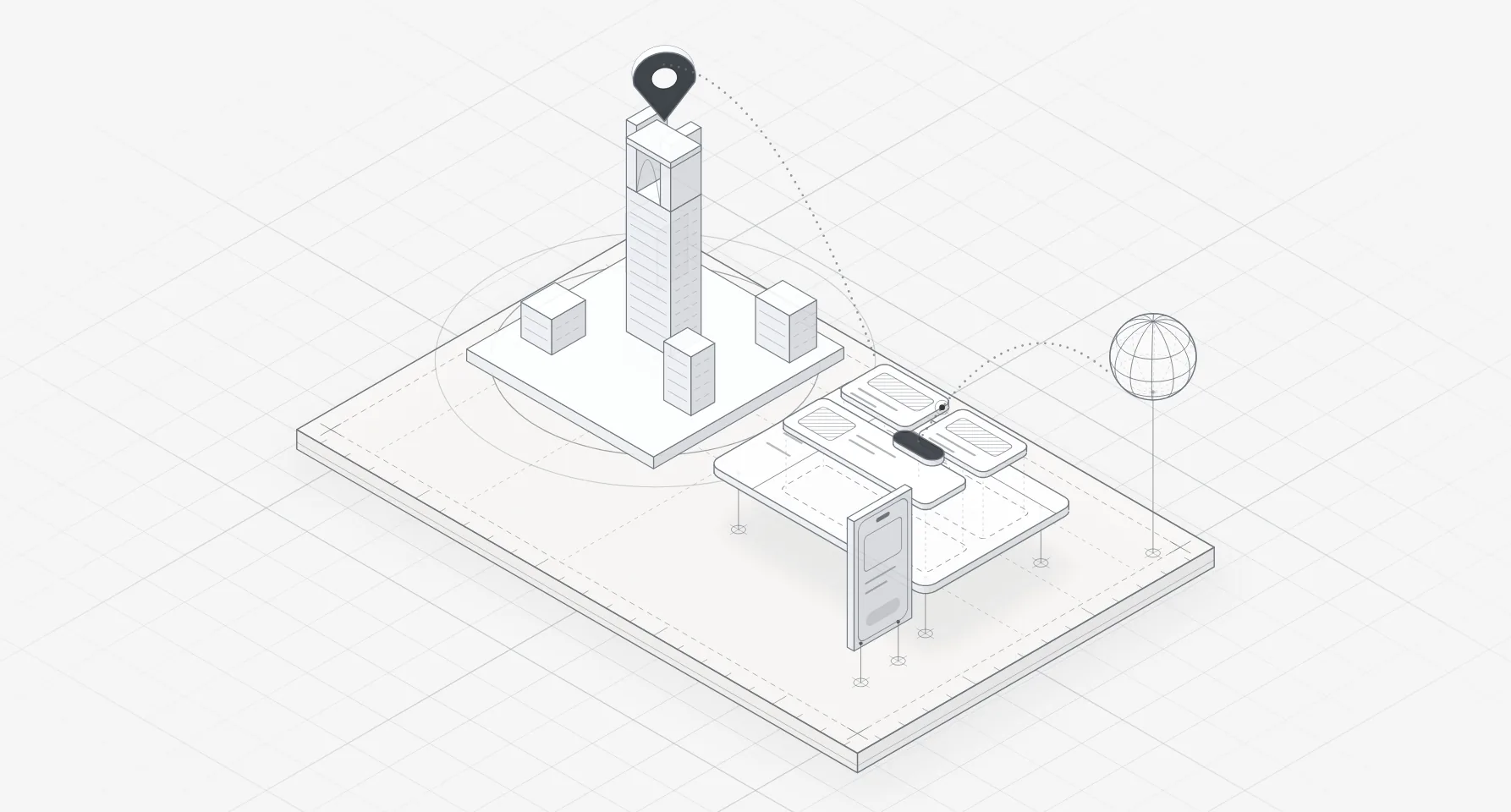
Teams in fintech, logistics and AI work with me






- Years leading a design team
- 3+
- Products shipped
- 20+
- Behance gallery features
- 22
- Clutch rating
- 5.0




Product designer and design lead, with a senior team behind me
Product design in Riyadh: four problems Saudi founders bring me
MAGNiTT counted a record $1.72 billion of Saudi venture funding across 257 deals in 2025, the most in the region for the third year running. More funded products now compete for the same Saudi users, and these are the design problems that follow.
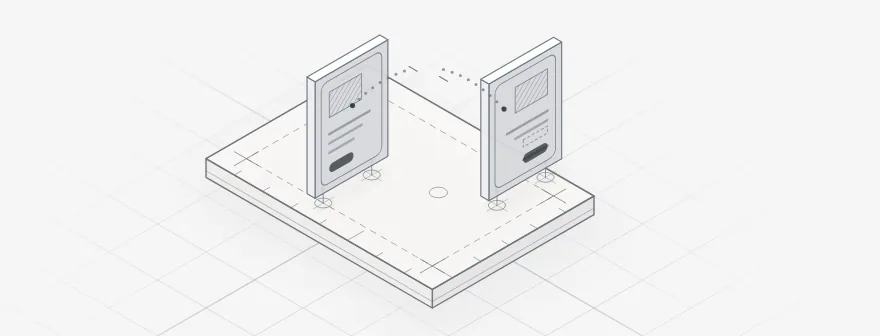
Problem 01
Arabic added after the English
Many Riyadh products are drawn in English and flipped at the end, so labels clip, icons point backwards and mixed Arabic and Latin numbers jump around. I design the Arabic screen first, mirror it to English, and test Arabic type at real sizes before anything is signed off.
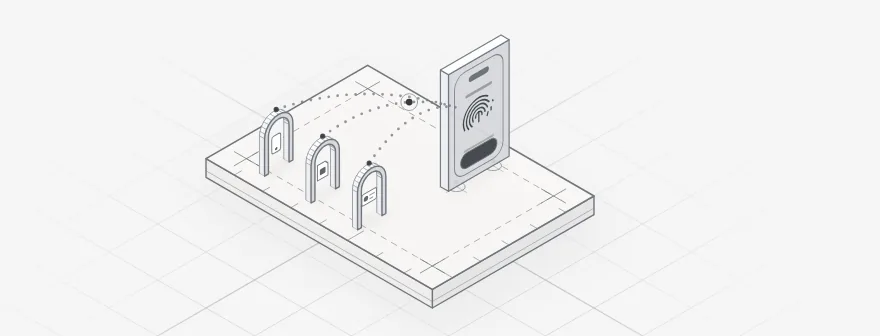
Problem 02
Sign-in that ignores Nafath
Saudi users already confirm who they are in the Nafath app for Absher, their bank and most government portals. A product that asks for a new password and a photo of an ID feels slow and foreign. I design login around Nafath, with clear waiting, expired and failed states.
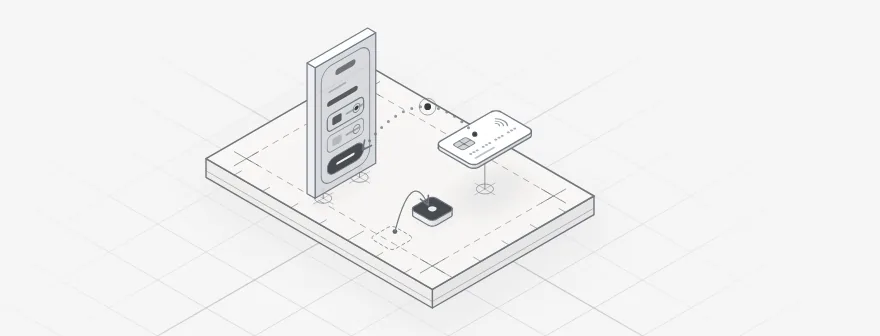
Problem 03
Checkout and invoices with local rules
Shoppers expect Mada cards, often inside Apple Pay, and ZATCA's Fatoorah rules have made invoices electronic since December 2021. I design checkout around Mada, wallets and cards, and billing screens that carry what your e-invoicing solution needs, so finance and product stop arguing at launch.
Problem 04
Data rules that now bite
The PDPL has been fully enforceable since 14 September 2024, with SDAIA as regulator. It expects consent for each purpose and answers to access requests within 30 days. I design consent, privacy and data request screens that make those choices plain, and your legal team owns the words.
Work picked for the Riyadh market
A delivery app built around live tracking, a healthcare SaaS for finding and booking doctors and an AI personal finance dashboard, from my team. I picked them because logistics, health and fintech all sit high on the Kingdom's startup and Vision 2030 agenda.

Product design · Logistics
Shipora
Ordering, tracking and on-time delivery in one mobile app, with the research and persona work behind it.
View case study →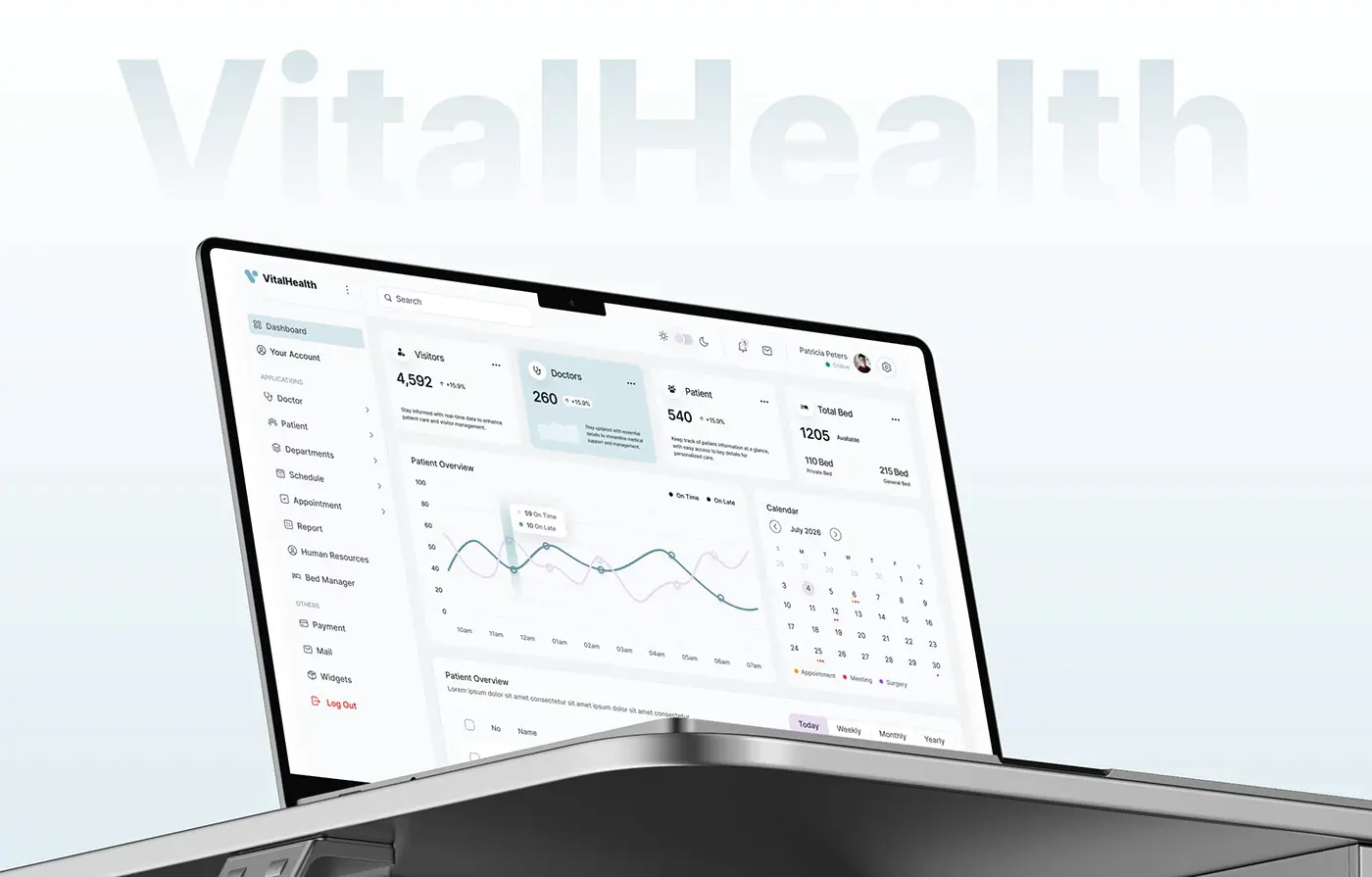
Product design · Healthcare
VitalHealth
A healthcare platform with more than 50 screens, from the design process to the final dashboard.
View case study →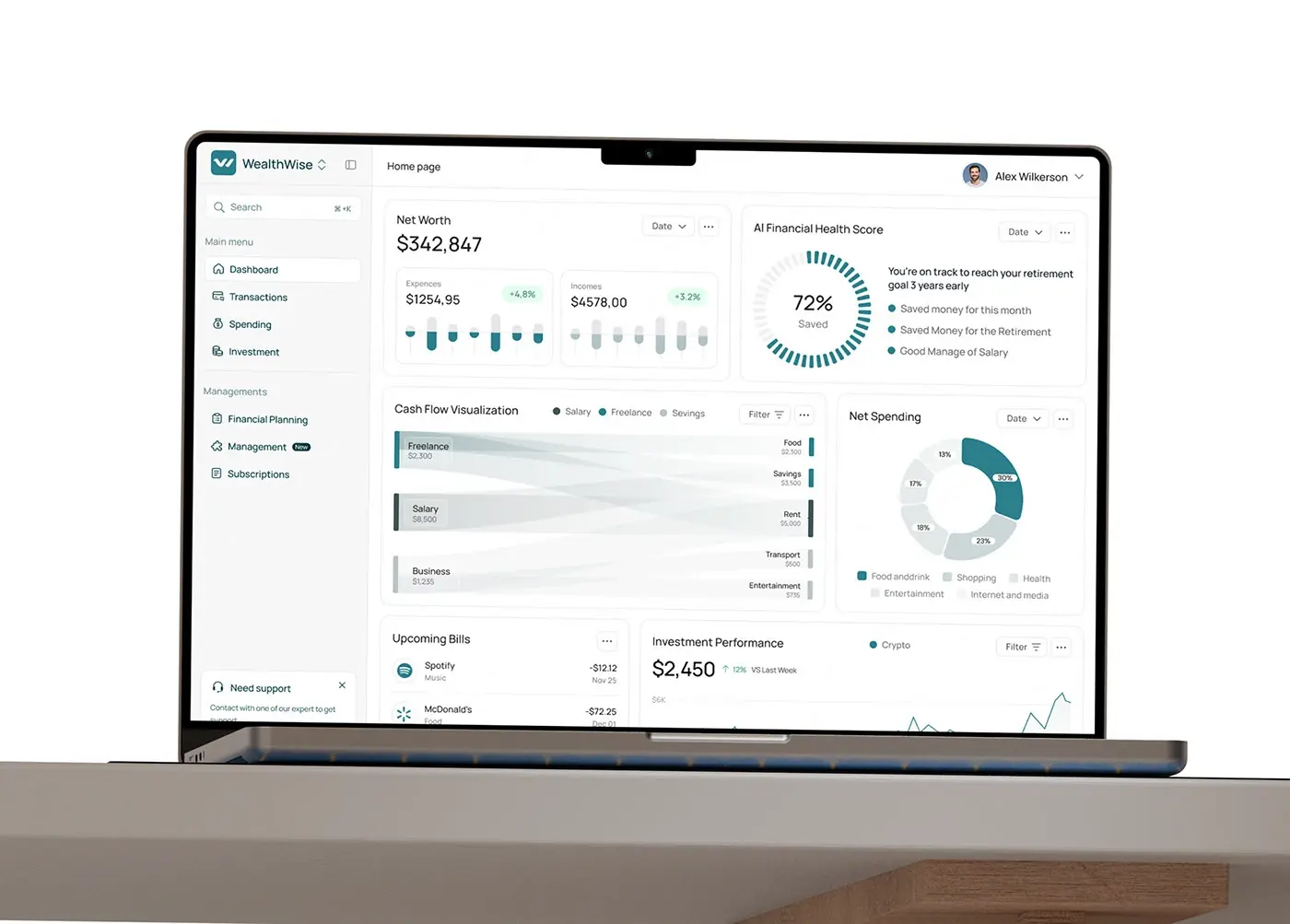
Product design · Fintech
WealthWise
Cash flow, investments and financial goals in one AI-assisted web dashboard.
View case study →Is Nafath sign-in still sitting on your roadmap? Let's design it properly.
Marhaba, book a callWhat I design for Saudi products
Six pieces of work, each named in the scope before the first screen, so Arabic, identity and payments never turn up as surprises a week before launch.
An Arabic-first design system
Components drawn right to left first and mirrored to English, with paired Arabic and Latin typefaces, both numeral styles and spacing tested on real phones.
Nafath sign-in journeys
Login and verification screens around the Nafath app confirmation, plus a fallback for people without it, so new customers get in without a long form or a scanned card.
Mada checkout and wallets
Mada, card, Apple Pay and wallet steps laid out the way Saudi shoppers expect, with clear 3D Secure, success and failure states.
Hijri and Gregorian dates
Date pickers, forms and statements that show one or both calendars depending on the task, labelled so nobody mistakes one for the other.
PDPL consent and privacy screens
Consent for each purpose, privacy notices, and access, correction and deletion requests designed as real screens, ready for your legal team's wording.
Handoff, or the build
Annotated Figma files, a right to left handoff session with your developers and, if you want it, the front end built by my team in React and Next.js.
My product design process for the Saudi market
Four steps, planned on your Sunday to Thursday week. It is the same core process as my product design service, tuned for Arabic, identity and payments.
- 01
Free 30 minute intro call
We talk on Google Meet between Sunday and Thursday, at a time that suits Riyadh. Tell me who your users are, which flow hurts most and what has to launch first, and I will tell you honestly whether I fit.
- 02
Written scope and one fixed quote
I write down every screen in Arabic and English, each Nafath, Mada and PDPL touchpoint and the dates, then give you one fixed quote for the whole project. No retainer, no hourly meter.
- 03
Arabic-first design sprints
Weekly sprints in Figma, Arabic screens before English, with a Slack update every 48 hours and a review call each week. Native speakers on your side check the words before anything is final.
- 04
Handoff and build
A documented right to left design system and a walkthrough with your engineers, or the front end built by my team, then a check of the live Arabic screens before you launch.
Working with me from Riyadh: the details
- Languages
- Arabic-first interfaces, checked by your native speakers; English in meetings
- Shared hours
- 7 hours of your working day, with Dhaka 3 hours ahead of Riyadh
- Working week
- Sunday to Thursday in both countries, with Friday and Saturday off
- Calendars
- Gregorian for the project plan, Hijri dates designed in wherever your users need them
- Ways to talk
- Google Meet, a shared Slack channel and comments in Figma
Industries Riyadh is building, and what their products need
Startup Genome's 2026 report ranks Riyadh third in the Middle East and North Africa. Each tile shows one of our own projects from that sector, not a Saudi client.
Fintech and open banking
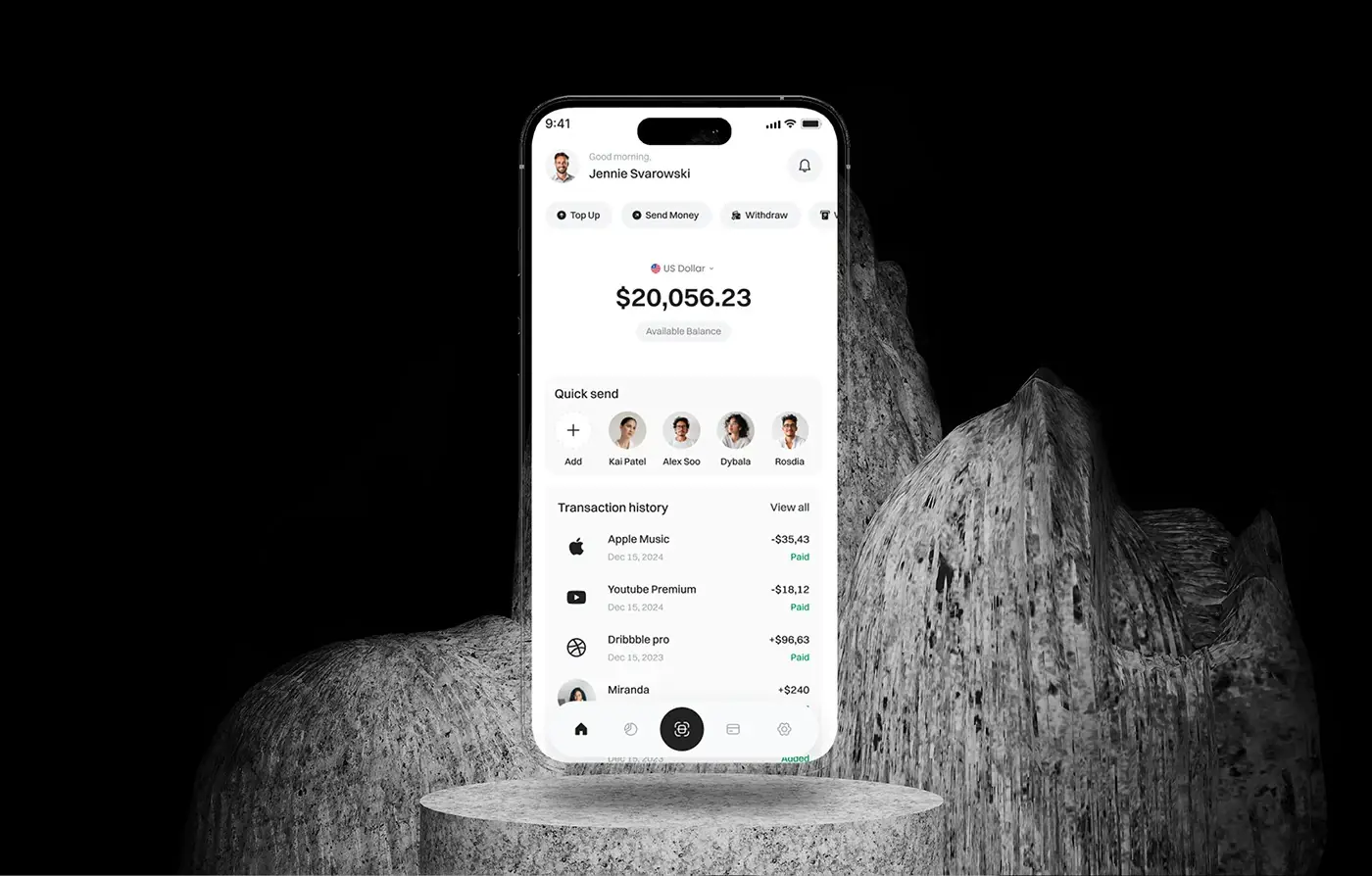
Fintech took $1.04 billion of Saudi venture funding in 2025, and SAMA began licensing open banking providers in March 2026. These products need data sharing consent, Mada-ready payments and statements that read right to left.
Logistics and delivery
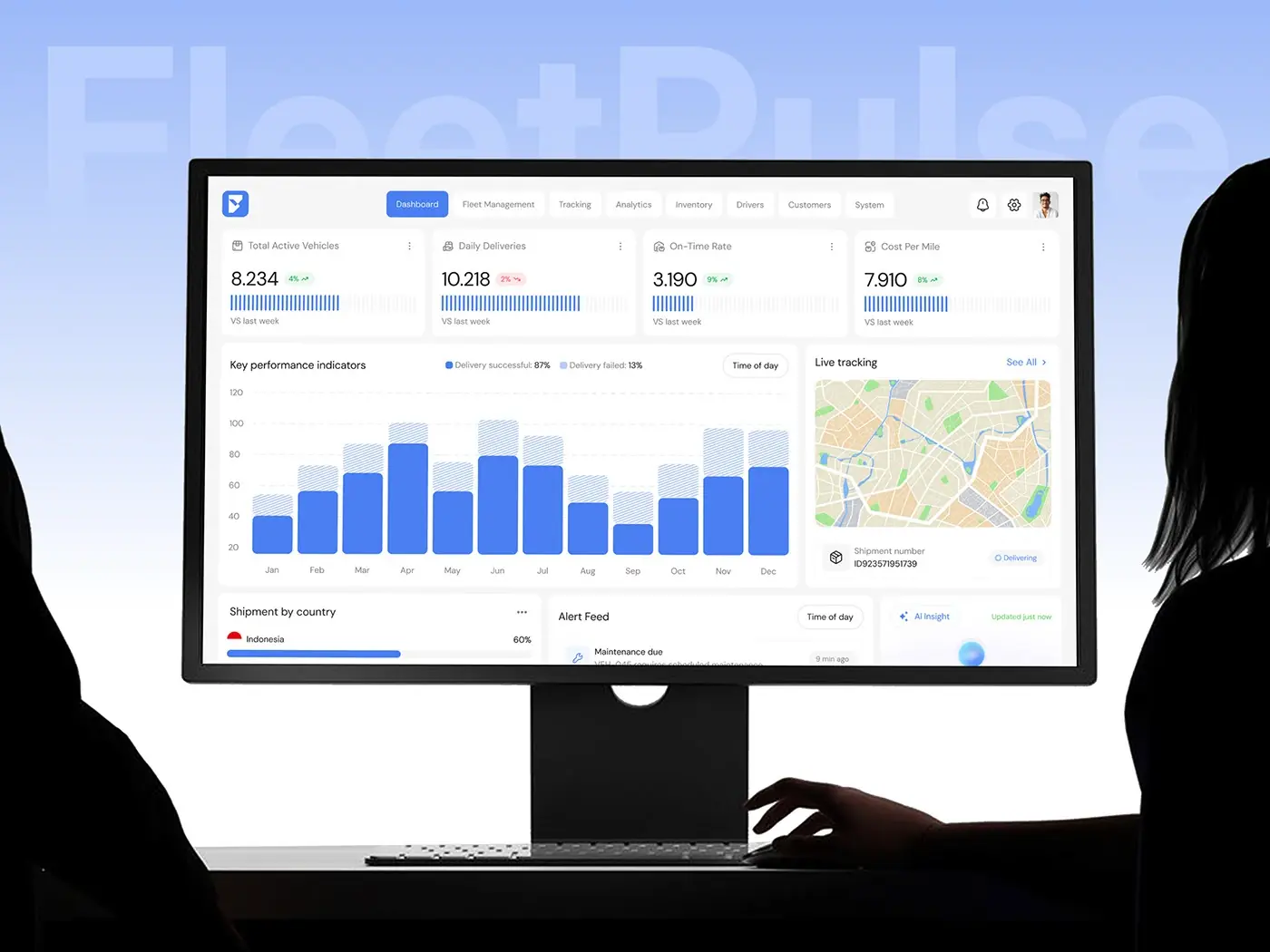
Startup Genome calls logistics one of Riyadh's fastest-moving sub-sectors. Delivery and fleet products here need Arabic addresses and maps, separate driver and dispatcher views, and tracking that stays readable on a phone outdoors.
Healthcare and virtual care
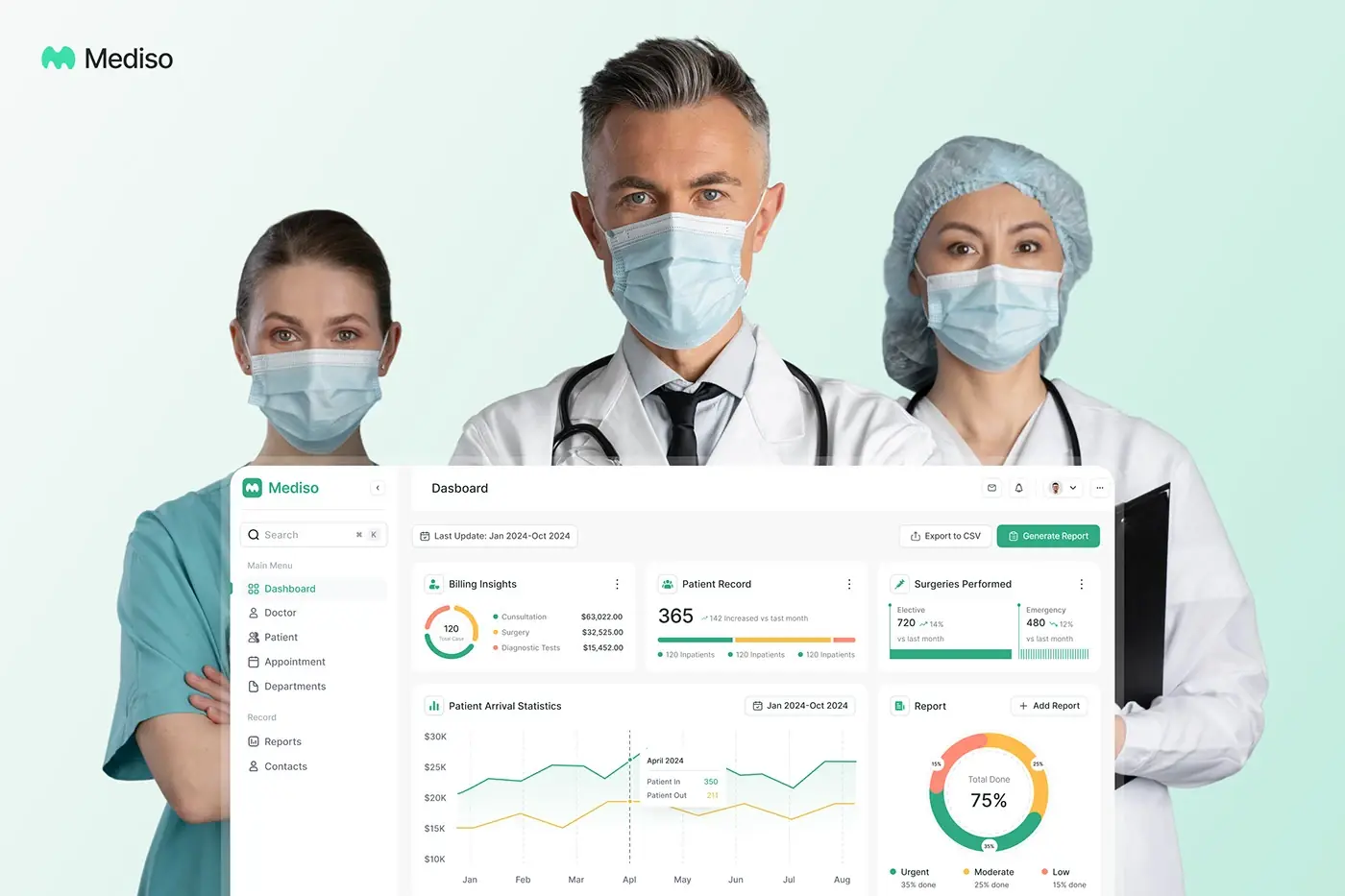
The Health Sector Transformation Program put bookings online and linked about 130 hospitals to the SEHA Virtual Hospital. Health products need Arabic-first booking, careful consent for health data and screens older patients can read.
E-commerce and retail
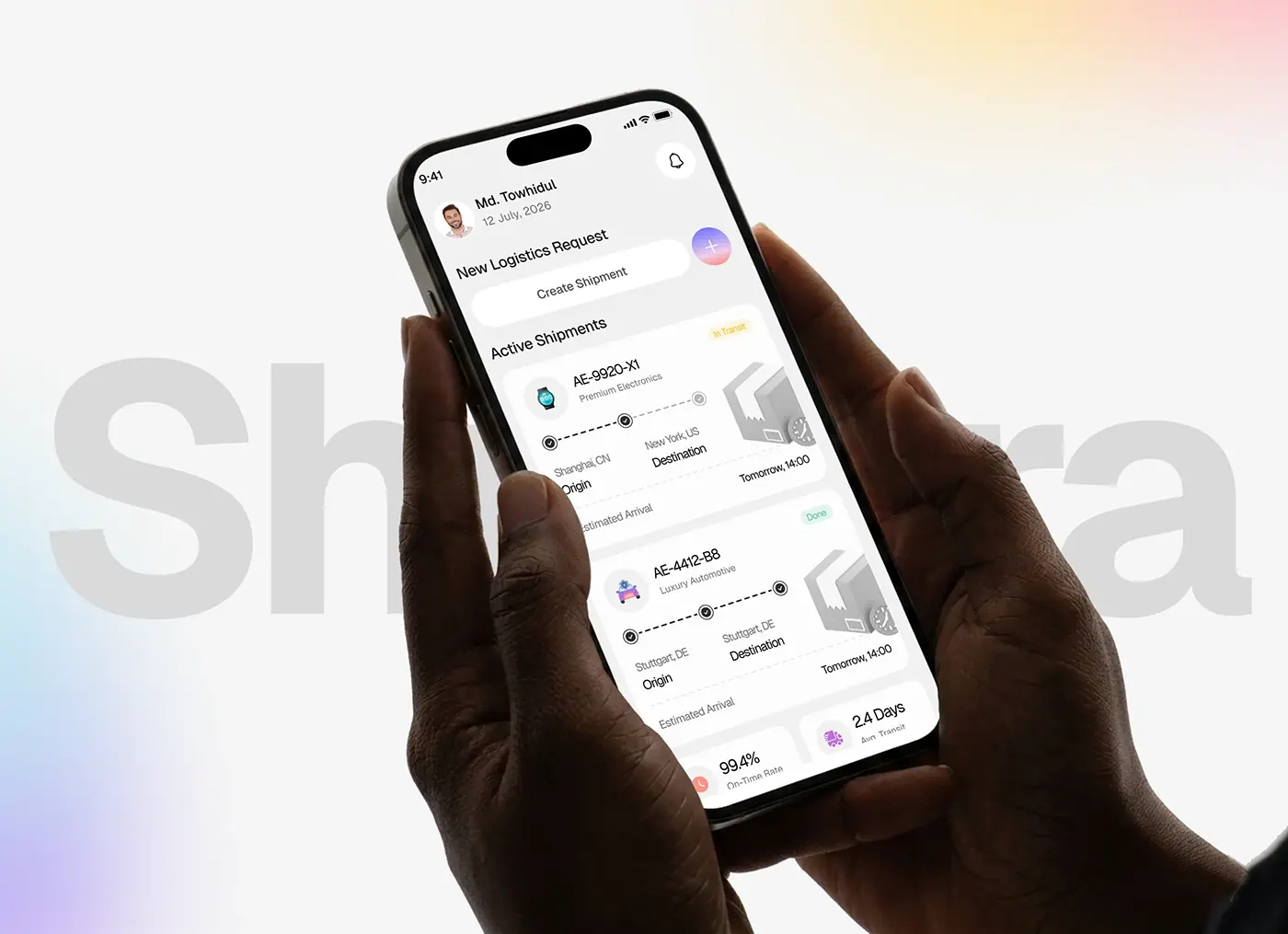
E-commerce and retail startups raised $494 million in the Kingdom in 2025, according to MAGNiTT. Shoppers need Arabic product pages, Mada and wallet checkout, and invoices that fit ZATCA's e-invoicing rules.
Cybersecurity
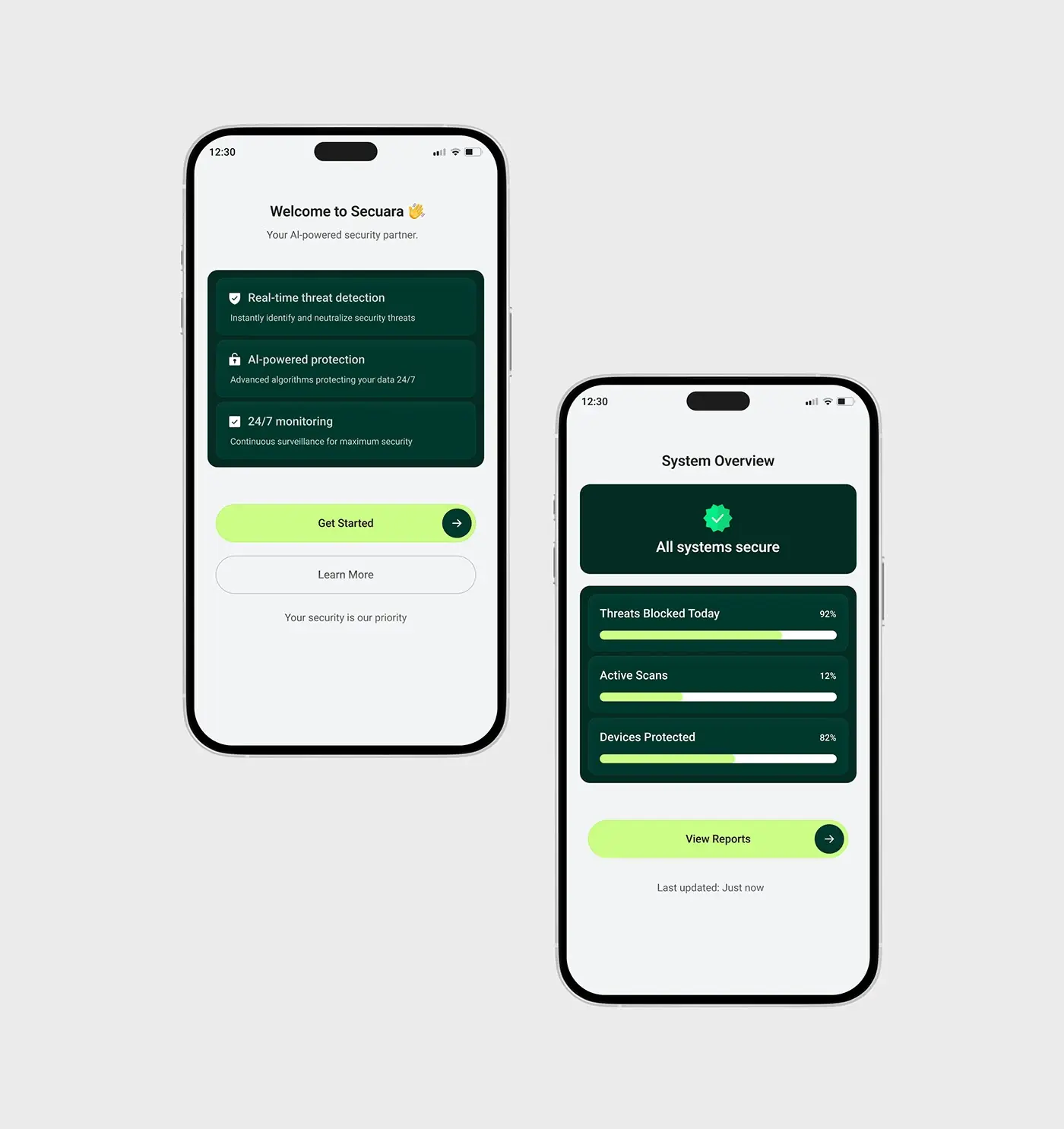
Startup Genome names cybersecurity a national priority in Saudi Arabia. Security products need dense alert tables in Arabic and English, clear roles and audit logs, and dashboards that stay calm when something goes wrong.
Enterprise software
Saudi enterprise software startups raised $184 million in 2025. B2B tools sold to Saudi companies need bilingual tables, approval steps for layered sign-off, and reports that can show Hijri dates beside Gregorian ones.
How I work with your team in Riyadh
Remote from Dhaka, but on your week, your rules and your users.
You talk to me and the makers
There is nobody between you and the people doing the work. You speak to me and to the designers and developers doing the work, in one Slack channel and on the same calls.
Same weekend, three hours apart
The Kingdom has worked Sunday to Thursday since a 2013 royal order, and Bangladesh also rests on Friday and Saturday, so no day is lost. We share 7 hours of your day, and I book calls in Riyadh time.
Everything written and tracked
Designs live in Figma from day one and decisions are written down. You get a Slack update every 48 hours and a weekly call that walks through what changed.
I know the Saudi stack
Nafath, Absher, Mada, ZATCA's Fatoorah, SDAIA and the PDPL, Hijri dates and Arabic typography are in my brief from the first call, so you never have to explain your own market.
Hiring for a Riyadh product: me, an in-house designer or a freelancer
Each choice has a fair case. Here it is line by line for a Saudi product, without the sales talk.
| What you get | With me | In-house hire | Freelancer |
|---|---|---|---|
| Starts without a recruitment round | Yes | No | Yes |
| Arabic-first design, not a flipped English file | Yes | Sometimes | Sometimes |
| Nafath, Mada and PDPL screens written into the scope | Yes | Sometimes | Sometimes |
| Research, interface and design system from one senior team | Yes | No | No |
| Front-end build by the same team | Yes | No | Sometimes |
| One fixed quote for the whole project | Yes | No | Sometimes |
| Works from your Riyadh office every day | No | Yes | Sometimes |
Who I help in Riyadh
Four kinds of team come to me from the Kingdom. If you are one of them, the intro call is the quickest way to find out whether we fit.
Funded startups after a first round
Monsha'at wants small and medium firms to reach 35% of Saudi GDP, and the money behind that is real. You have a launch date; I turn the idea into an Arabic-first product your first users trust.
Scale-ups adding a product line
Your core team is busy keeping the main app running. My team takes on the new merchant portal, admin tool or customer app, working inside your design system or building one with you.
Enterprise and government-linked teams
Large Saudi organisations need bilingual products, layered approvals and careful data handling. I work to your review chain, document every decision and design PDPL consent screens your compliance team can sign off.
Regional teams entering the Kingdom
If your product began in Dubai, Cairo or further away, Riyadh needs more than a translation. I adapt flows for Nafath, Mada and Hijri dates and keep one design system across every market.
More services for Riyadh founders
Saudi products often pair design with a mobile app, a website or the build itself.
What founders say about working with me
Working with Jubayer and the team has been a blast. Their creativity has honestly taken our platform to new heights. Incredibly professional and so proud to work with, we’re over the moon with their results, and we can’t wait to team up with them again.

I highly recommend Jubayer for any design project. He quickly grasps complex concepts, excels in standard design practices, and responds promptly.

Working with Jubayer on our website was fantastic from start to finish. He took the time to understand our vision and provided valuable insights.

Product designer in Riyadh: frequently asked questions
Straight answers for Saudi founders, before you ask them on the call.
What does a product designer in Riyadh cost?
It depends on scope, not a day rate. The number of flows, whether Arabic and English are both designed, the Nafath and payment journeys, the size of the design system and any front-end build are what move it. We start with a free 30 minute call, then I write the scope down and price the whole project once, with no retainer.
Do you design the Arabic version first?
Yes. I design Arabic screens first and mirror them to English, so layouts, icons and numbers read naturally for Saudi users. I test Arabic typefaces at real sizes, plan for mixed Arabic and Latin text, and your native speakers or translators own the final words. My guide to Arabic RTL interface design explains the method.
Can you design sign-in with Nafath?
Yes, the screens and every state. Nafath is the national single sign-on app from SDAIA's National Information Center, where users approve a login by confirming a number on their phone. I design the login, waiting, approved, expired and failed screens plus a fallback. Your identity provider and developers handle the integration, and my development team can take that on too.
How does the Saudi PDPL change the design?
It adds screens. The PDPL became fully enforceable on 14 September 2024 and expects separate consent for each purpose, clear notices, and answers to access, correction and deletion requests within 30 days. I design those consent and request flows so they are easy to use and easy to audit. Legal interpretation stays with your lawyers; the interface makes compliance visible.
Can you design for ZATCA e-invoicing?
Yes, on the interface side. ZATCA's Fatoorah programme has required electronic invoices since 4 December 2021, and its second phase connects invoicing systems to ZATCA in waves from 1 January 2023. I design invoice, credit note and billing screens that show the required details clearly. Your e-invoicing solution and accountant handle the integration and the tax rules.
Do your designs handle Hijri dates?
Yes. The Umm al-Qura Hijri calendar is still the Kingdom's official calendar, even though government salaries moved to the Gregorian calendar in 2016. I design date pickers, forms and statements that show one or both calendars depending on the task, and label each date clearly so a Hijri date is never read as a Gregorian one.
How do our weeks and hours line up?
Very well. Riyadh's week and mine both stop for Friday and Saturday, so mismatched weekends cost us nothing. Dhaka is three hours ahead of Riyadh, which gives us 7 hours of your working day for calls. I book every call in Riyadh time and plan sprints around Ramadan and the Eid holidays with you.
Will my Riyadh team own the design system afterwards?
Yes. Every Figma file, the Arabic and English component library, prototypes, handoff notes and any code my team wrote belong to you. Before we finish I run a handover session with your designers and developers in Riyadh time, so the system keeps growing without me and new screens stay right to left by default.
What happens after I book the intro call?
You get a free 30 minute call on Google Meet, Sunday to Thursday. Bring the product, the users and the date that matters, whether that is a launch, a funding round or an event. Afterwards you get the scope in writing with one fixed quote, and the work usually starts with the Arabic flow your users touch first.