Product designer in Austin, Texas
Product designer in Austin for startups growing as fast as the city
Founders who need a product designer in Austin hours work with me, Maniruzzaman Jubayer, and the senior team I lead in Dhaka, on calls that open your Central Time day. Austin entered North America's top five startup cities for the first time in StartupBlink's 2026 index, and I design SaaS, AI, fintech and health products for founders keeping that pace.
Your morning is my evening, so the work moves on while Austin sleeps.
Free 30 minute intro call · Calls in your Central Time morning · One fixed quote, no retainer
Founders and product teams I have designed for






- Years leading a design team
- 3+
- Products shipped
- 20+
- Behance gallery features
- 22
- Clutch rating
- 5.0




Product designer and design lead, with a senior team behind me
What Austin founders say is holding their product back
Fast growth brings its own design problems: hiring against big tech, new Texas rules, and buyers who check accessibility before they sign.
Problem 01
Every senior designer in town is already booked
Austin has rapidly become one of the most competitive talent markets, and the senior product designers you want are already taken. Once the scope is agreed, my team is on the product within days, and it stays to finish the design system rather than vanish at handoff.
Problem 02
Users do not trust the AI yet
Your agent drafts, scores or recommends, but people cannot see why, so they check everything twice. I design the explanation, the sources, the undo and the hand-off to a human. Since 1 January 2026, Texas also expects a plain AI disclosure in health care and government services.
Problem 03
Privacy settings were an afterthought
The Texas Data Privacy and Security Act, in force since 1 July 2024, lets users see, correct and delete their data and opt out of targeted ads, sale and profiling. I design the notices, consent and request flows so people can actually find them.
Problem 04
Bigger buyers ask about WCAG first
The Justice Department reads the ADA as covering the websites of businesses open to the public, and larger customers often ask about WCAG before a pilot. I design to WCAG 2.2 AA from the first screen, so accessibility is checked as the screens are made, not patched before launch.
Case studies for Austin's AI, health and delivery products
An iOS app that redesigns a room from one photo, an AI healthcare app for finding a doctor and booking, and a delivery app built around live tracking, all designed by my team.
Product design · AI
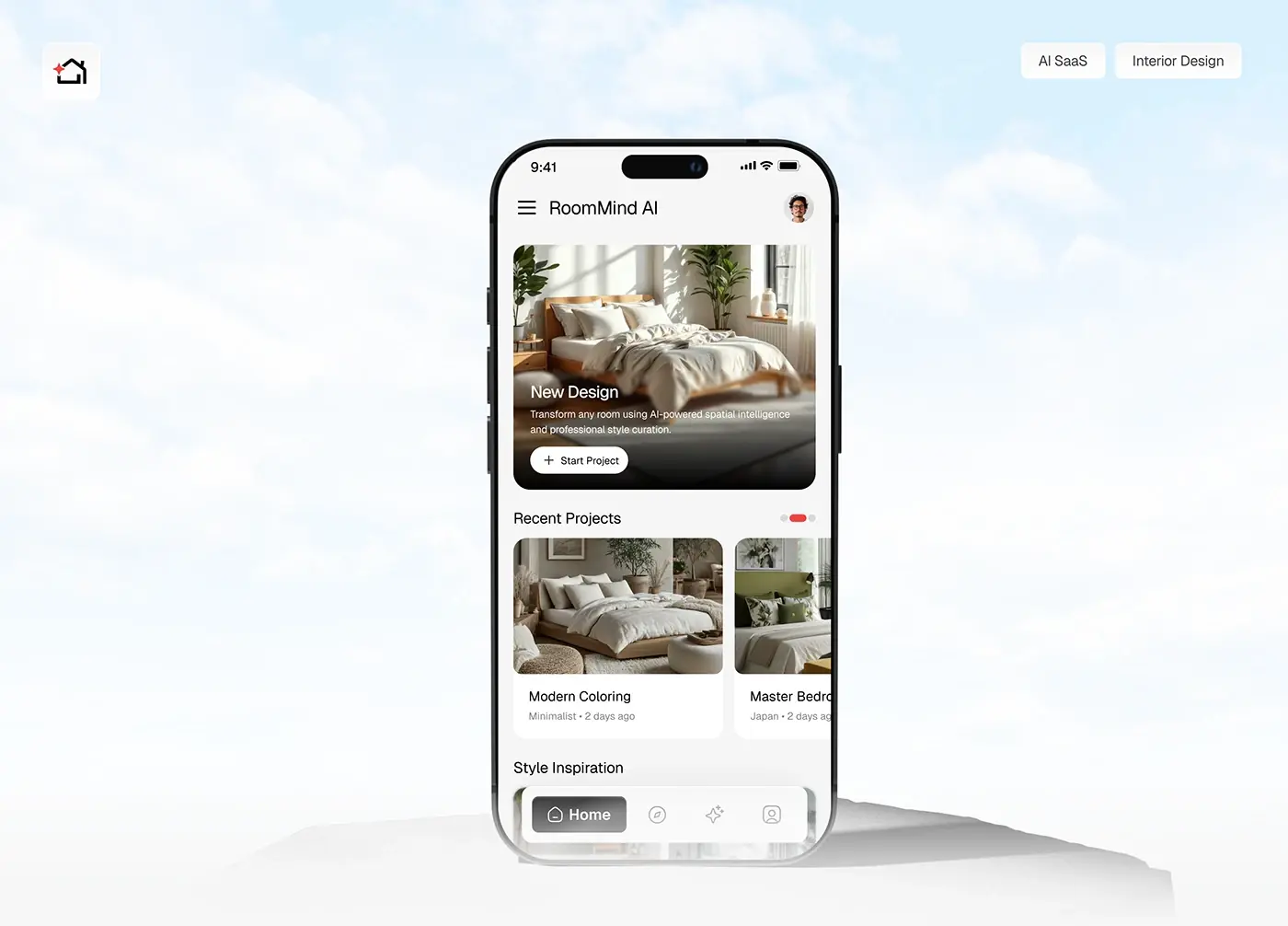
RoomMind AI
Photograph a room, pick a style, get an AI redesign in seconds. The full iOS app, from user flow to final UI.
View case study →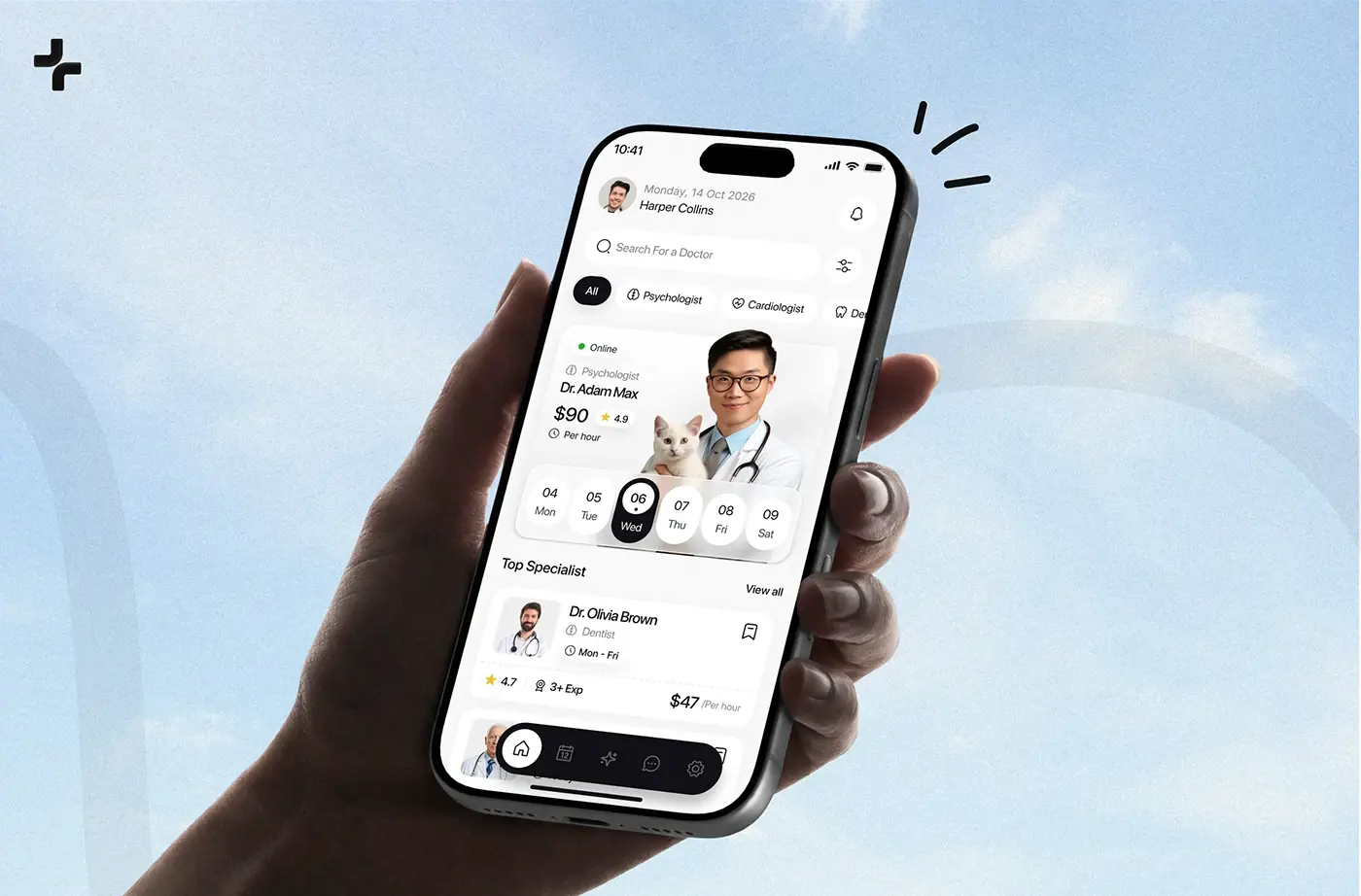
Product design · Healthcare
CareUp
A mobile healthcare app, from user research and wireframes to the identity and final UI.
View case study →
Product design · Logistics
Shipora
Ordering, tracking and on-time delivery in one mobile app, with the research and persona work behind it.
View case study →Demo day or SXSW coming up, and the product still feels unfinished?
Howdy, let's talkWhat I design for Austin product teams
Each piece is shaped for US buyers, Texas rules and a startup scene that moves quickly. The full service is on my product design page.
An investor-ready prototype
Clickable flows for the core journey, tested with real users, ready for a board meeting, a raise or a booth at SXSW in March.
AI patterns people trust
Disclosure, confidence cues, cited sources, edit and undo, and a clear route to a person, written into the components so every new agent feature follows them. More in shipping AI features people trust.
Privacy flows for Texas law
A readable privacy notice, opt-outs for targeted ads, sale and profiling, consent for sensitive data such as precise location, and a request form that never demands a new account.
An accessible design system
Components, tokens and states built to WCAG 2.2 AA, with focus order, contrast and screen reader notes, so your engineers ship accessible screens by default.
Layouts ready for Spanish
Labels, buttons and tables that survive longer Spanish strings, and a language switch that remembers the choice. Your translator supplies the words; I make the screens hold them.
Handoff or the build itself
Specs and a live session for your Austin engineers, or my team writes the React and Next.js front end itself, so nothing is lost between Figma and production.
How an Austin project runs, from the first call to the build
Four steps, each one timed around your Central Time morning.
- 01
Free 30 minute intro call
Booked in your morning, during my 7 to 10 pm in Dhaka. Walk me through the product and the date you are aiming at; I say plainly whether my team suits the job.
- 02
Written scope and one fixed quote
A document listing every flow, platform and rule check, Texas privacy, AI disclosure and WCAG among them, priced as one fixed quote for the entire project. No retainer.
- 03
Weekly design sprints
Screens in Figma you can comment on at any hour, a Slack update every 48 hours and a sprint review in your morning each week.
- 04
Handoff, build and an accessibility pass
Your engineers receive the design system and its rules, or my team ships the front end, and every key screen gets an accessibility review before Texans see it.
Working with me from Austin
- Shared hours
- 2 hours of the Austin working day, because my calls run 7 to 10 pm in Dhaka, early in your Central Time morning
- Working week
- your Monday to Friday, with the Dhaka weekend on Friday and Saturday, so live calls fall Monday to Thursday
- Languages
- English in every call and document, with interfaces planned for Spanish where your users need it
- Rules I design for
- the Texas Data Privacy and Security Act, Texas AI disclosure, the ADA and WCAG 2.2 AA
- Ways to talk
- Google Meet, Slack and Figma comments, all booked in Central Time
Industries Austin is building, and what each one needs
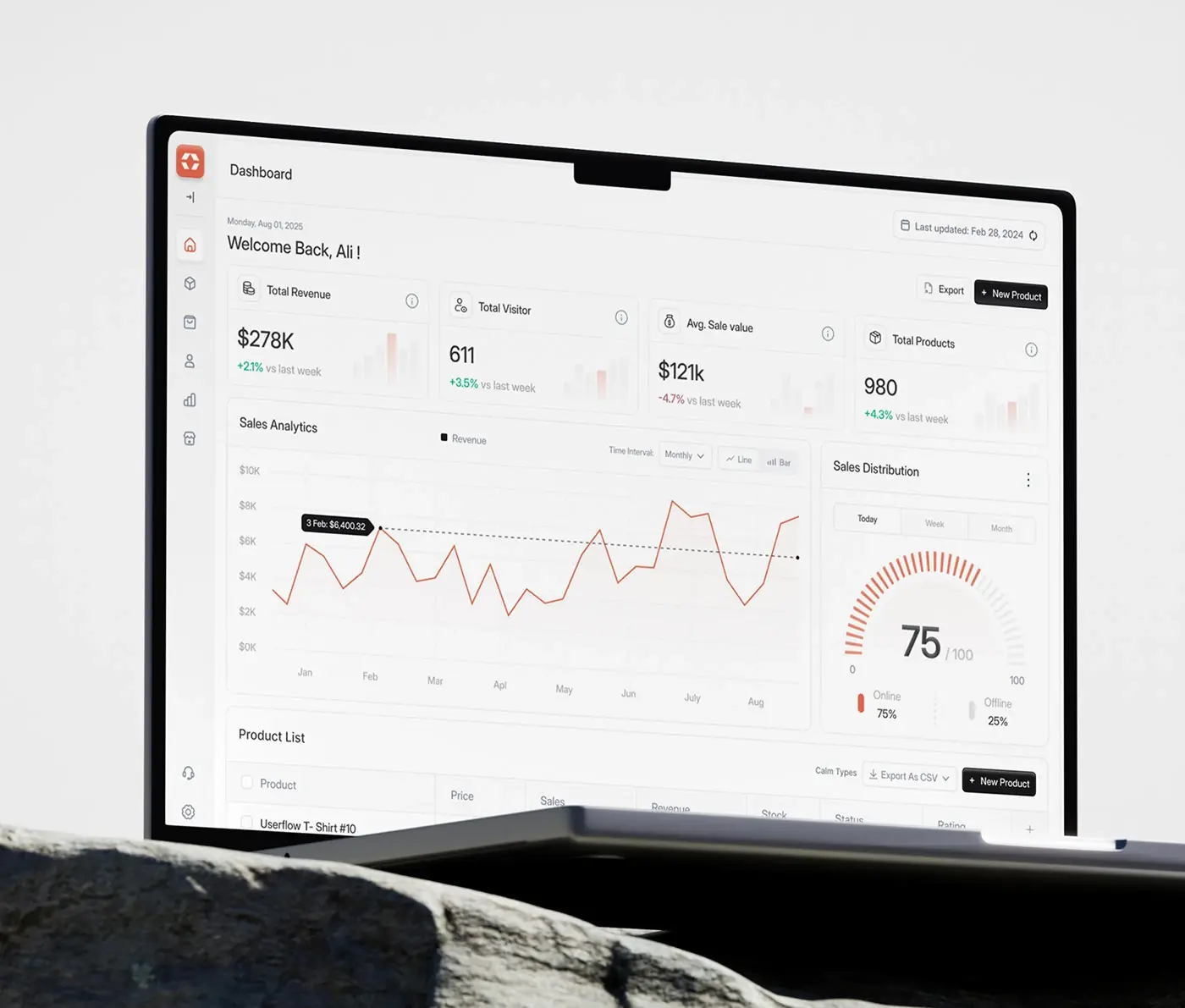
Drawn from StartupBlink's 2026 index and local investors. The screens are from my own projects in each field, not from Austin companies.
Software and SaaS
Software and data make up 44.4% of Austin's startups in StartupBlink's 2026 count. These teams need dense admin screens, onboarding for whole teams and permissions that enterprise buyers can audit.

Vertical AI
Local investors describe a wave of vertical, agentic software built by domain experts. The design job is showing what the agent did, why it did it, and how a person corrects it before it acts.
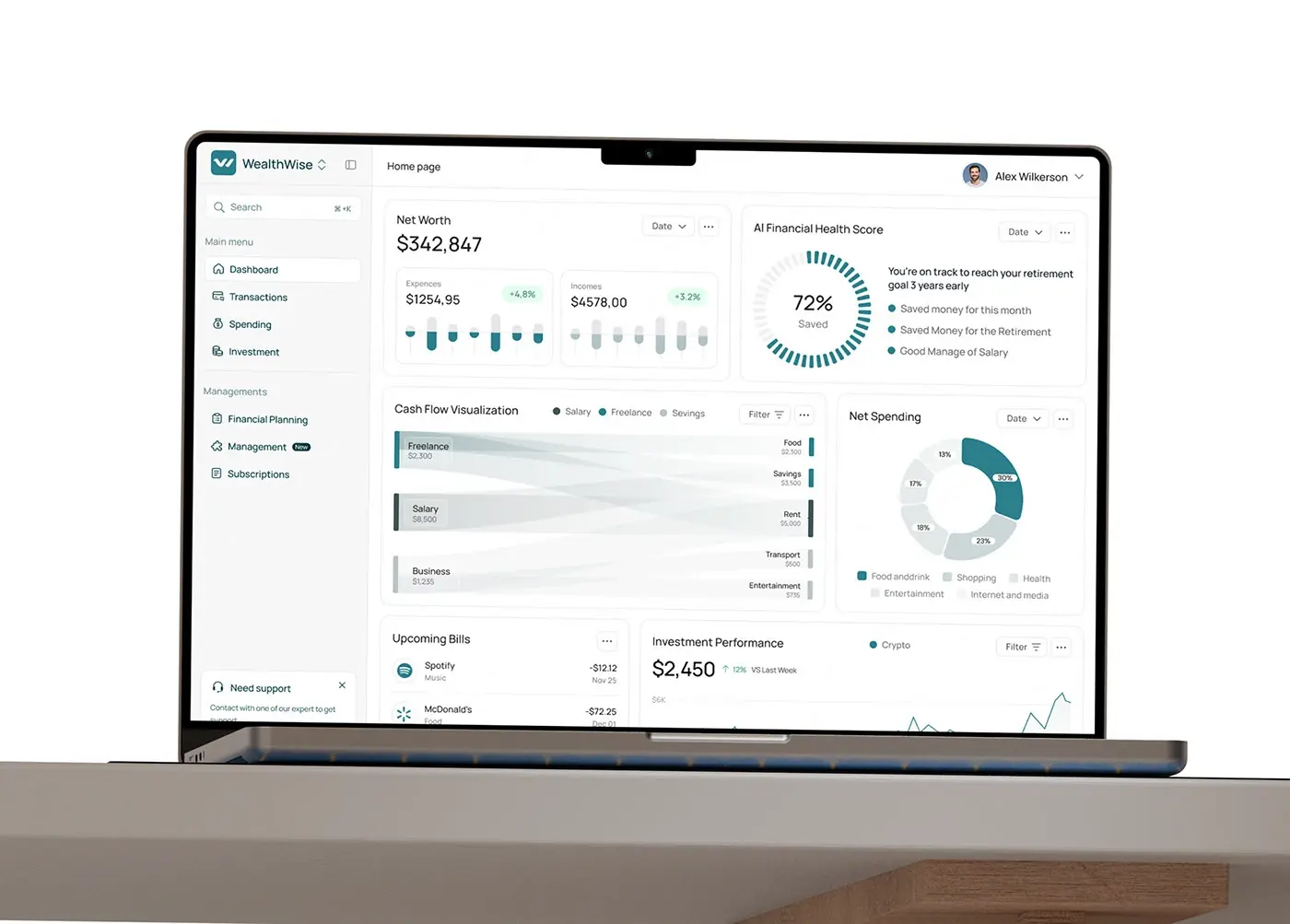
Fintech
Investors count fintech among Austin's deepest talent pools. Products here need fast identity checks, plain fee screens and profiling opt-outs, since Texas privacy law covers decisions about lending and financial services.
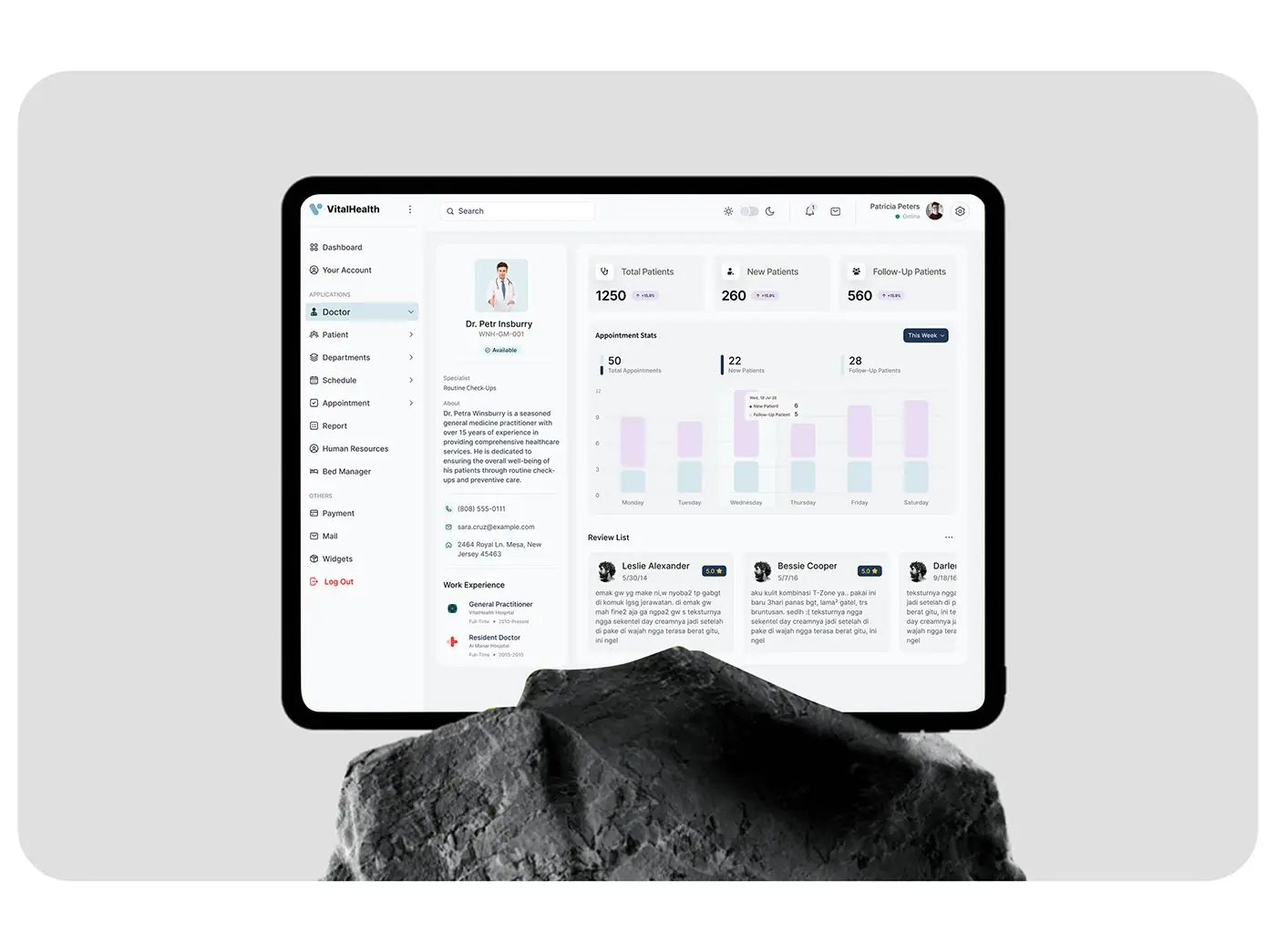
Healthtech
StartupBlink ranks Austin's healthtech ninth in the world. Booking and patient portals here must work for older users and, where AI touches care, disclose it in plain language under Texas law.

Energy and climate tech
Given the scale of the Texas grid and the power demands of AI infrastructure, investors call energy tech a natural fit. Customers need usage dashboards, price alerts and field apps that work outdoors.
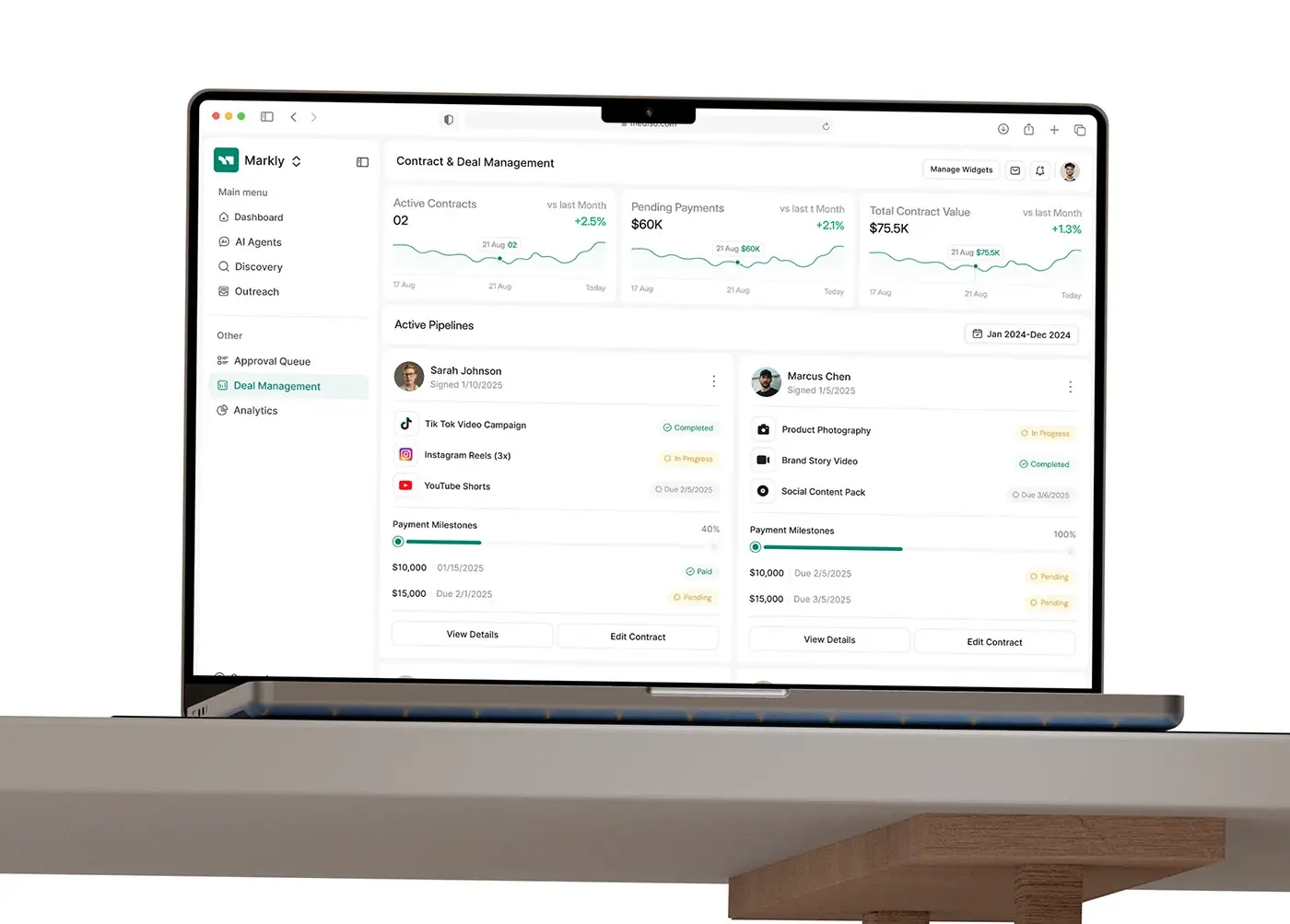
Marketing and sales tech
Marketing and sales is Austin's highest-ranked startup industry, eighth in the world. Its buyers are revenue teams who need campaign and pipeline views they can read in a Monday meeting.
How I work with Austin teams from Dhaka
Remote does not have to mean slow. This is how the day actually runs.
No one between you and the makers
There is no account manager. I run the calls myself and bring in the designer or developer behind each screen, so a question asked over your coffee is answered by whoever drew it.
Evening calls in Dhaka, your morning
I keep evening calls, 7 to 10 pm in Dhaka, which is your morning: about 8 to 11 am in Austin under daylight time and 7 to 10 am in winter. That is 2 hours of your working day, and the Dhaka daytime keeps the work going overnight for you.
Everything written and tracked
Figma open to you from day one, a Slack update every 48 hours, a weekly call and a decision log, so nothing lives only in someone's memory or a missed meeting.
I know the rules your product meets
US English, the Texas Data Privacy and Security Act, the state's AI disclosure rules, the ADA and WCAG, and the accessibility questions enterprise and public sector buyers ask. I flag the risk early; your lawyer signs off.
An Austin hire, a freelancer or me: the honest trade-off
Some rows favour a local hire. Choose the option that fits the stage you are at.
| What you get | With me | In-house hire | Freelancer |
|---|---|---|---|
| Starts within days, without an Austin hiring search | Yes | No | Yes |
| A senior designer with a team behind them | Yes | Sometimes | No |
| Whiteboard sessions in your Austin office | No | Yes | Sometimes |
| Online for your whole Central Time afternoon | No | Yes | Sometimes |
| Privacy and AI disclosure flows planned for Texas law | Yes | Sometimes | Sometimes |
| WCAG 2.2 AA built into the design system | Yes | Sometimes | Sometimes |
| Front-end build by the same team | Yes | No | Sometimes |
Who I help in Austin
Four kinds of team that come to me, each at a different stage.
Funded startups before the next round
Seed and Series A founders who need the core product clear and a prototype ready for investors, without spending months hiring a design lead first.
SaaS scale-ups adding AI
Software companies putting agents into a product customers already rely on, who need the new features to feel trustworthy and fit the existing design system.
Vendors to Texas public agencies
Teams building software that state or city agencies will offer the public. The federal Title II rule names WCAG 2.1 AA for those websites and apps, with the first compliance date in April 2027.
Companies opening in Austin
Teams setting up an Austin office who need design capacity now, before the local team is hired, and a design system the new hires can pick up on their first day.
Other services for Austin teams
A product often needs a site, a mobile app or a build next to it.
In their words: founders who worked with my team
Working with Jubayer and the team has been a blast. Their creativity has honestly taken our platform to new heights. Incredibly professional and so proud to work with, we’re over the moon with their results, and we can’t wait to team up with them again.

I highly recommend Jubayer for any design project. He quickly grasps complex concepts, excels in standard design practices, and responds promptly.

Working with Jubayer on our website was fantastic from start to finish. He took the time to understand our vision and provided valuable insights.

Product design in Austin: questions founders ask
The answer comes first, with the Texas detail where it matters.
Can a designer in Dhaka keep up with an Austin startup?
Yes, because the clocks help. My call window, 7 to 10 pm Dhaka time, lands at the start of the Austin day and gives us 2 hours of shared working hours. Your feedback goes in before lunch, my team acts on it during the Texas night, and the revised Figma screens are waiting when you open your laptop. Every decision is written up, so no one waits for a call to catch up.
What does the Texas Data Privacy and Security Act change in our design?
Mostly the settings and request screens. Since 1 July 2024 the Act lets Texans see, correct and delete their data and opt out of targeted ads, sale and profiling, and sensitive data such as precise location needs consent. I design the notice, the toggles and a request form that must not force a new account. Your lawyer confirms which duties apply to you.
Do we have to tell Texas users they are talking to AI?
In some cases, yes. The Texas Responsible Artificial Intelligence Governance Act, in force since 1 January 2026, requires a clear, plain-language disclosure when government agencies use AI with consumers and when AI is used in health care, and it bans dark patterns in that disclosure. I design a visible label and explanation that suits any product; your counsel decides where the law applies.
Will the product meet ADA and WCAG expectations?
I design to WCAG 2.2 AA as the baseline. The Justice Department says the ADA applies to the websites of businesses open to the public and points to WCAG as the technical guide, and its Title II rule for public bodies names WCAG 2.1 AA. I check contrast, focus and screen reader order during design, and recommend an independent audit before launch.
How much does it cost to hire a product designer for an Austin startup?
Five things set the cost: how many core journeys the product has, web or mobile or both, AI and payment features, the Texas privacy and accessibility work, and whether you want the front end built too. We cover them on a free 30 minute intro call; then you receive a written scope and one fixed figure for the whole project, agreed before any design starts. No retainer.
Can you get an investor demo or SXSW prototype ready in time?
Often, if we start early enough. SXSW comes to Austin every March and the date never moves, so I plan the scope backwards from it: the core journey as a clickable prototype first, polish second. The written scope shows exactly what will be ready, and when, before you commit to anything.
Do you design interfaces in Spanish?
I design layouts that hold English and Spanish properly: longer labels, wrapped buttons, a remembered language choice and dates that read right in both. I work in English, so the Spanish copy comes from your team or a professional translator, and I check every screen in both languages before handoff.
Can you work with our engineers in Austin?
Yes. Engineers in Austin get annotated Figma files, component specs and a walkthrough timed for their morning stand-up. Some teams prefer one owner for design and code, and then my developers build the React and Next.js front end against your APIs. Either way, the design system ends up in your Figma and your repository, not mine.