

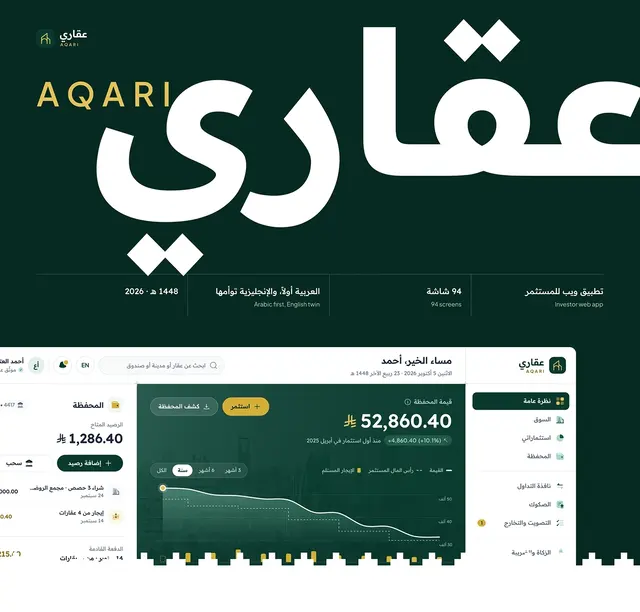
Real estate · 2026
AQARI
A Shariah-compliant fractional real estate investing web app for Saudi Arabia
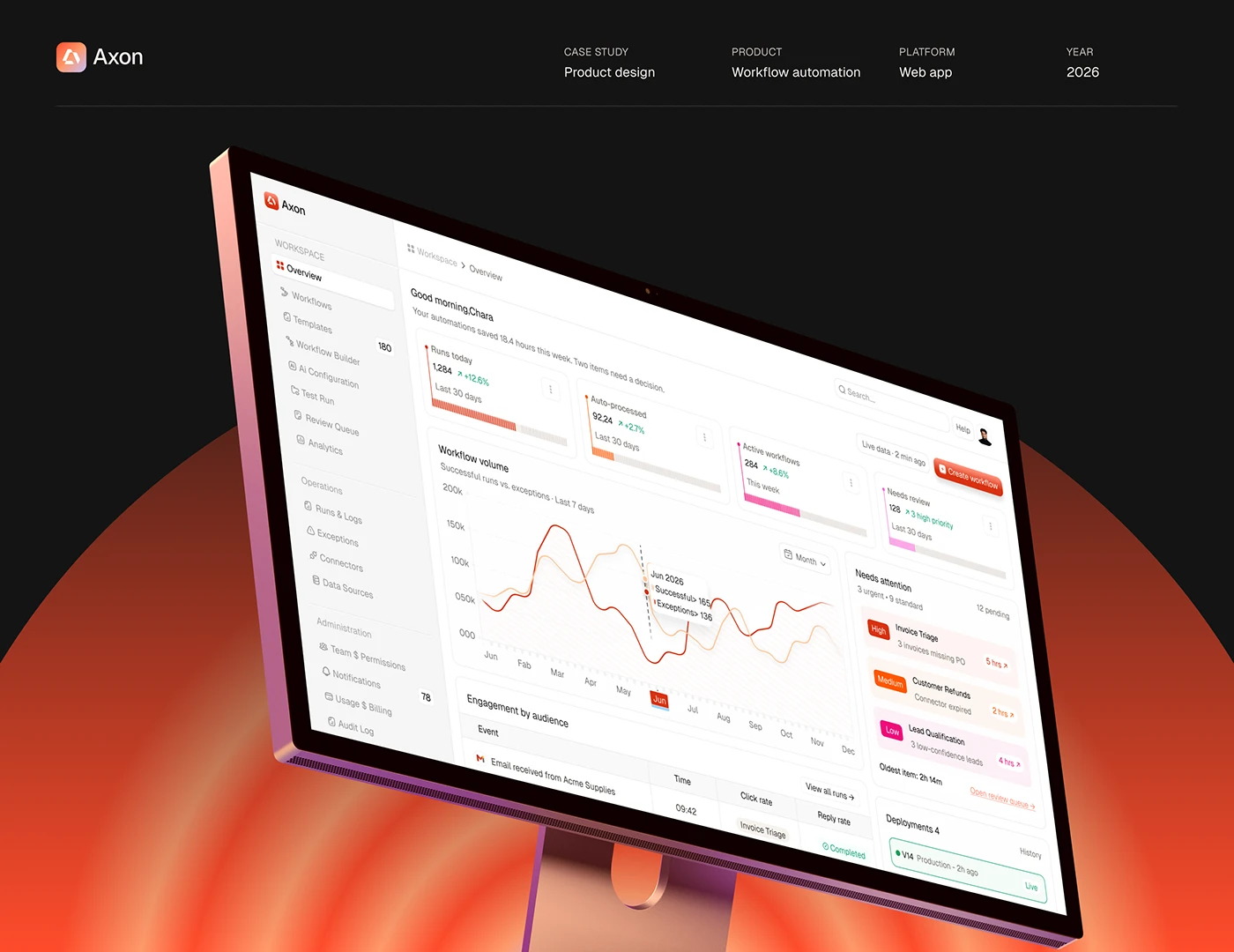
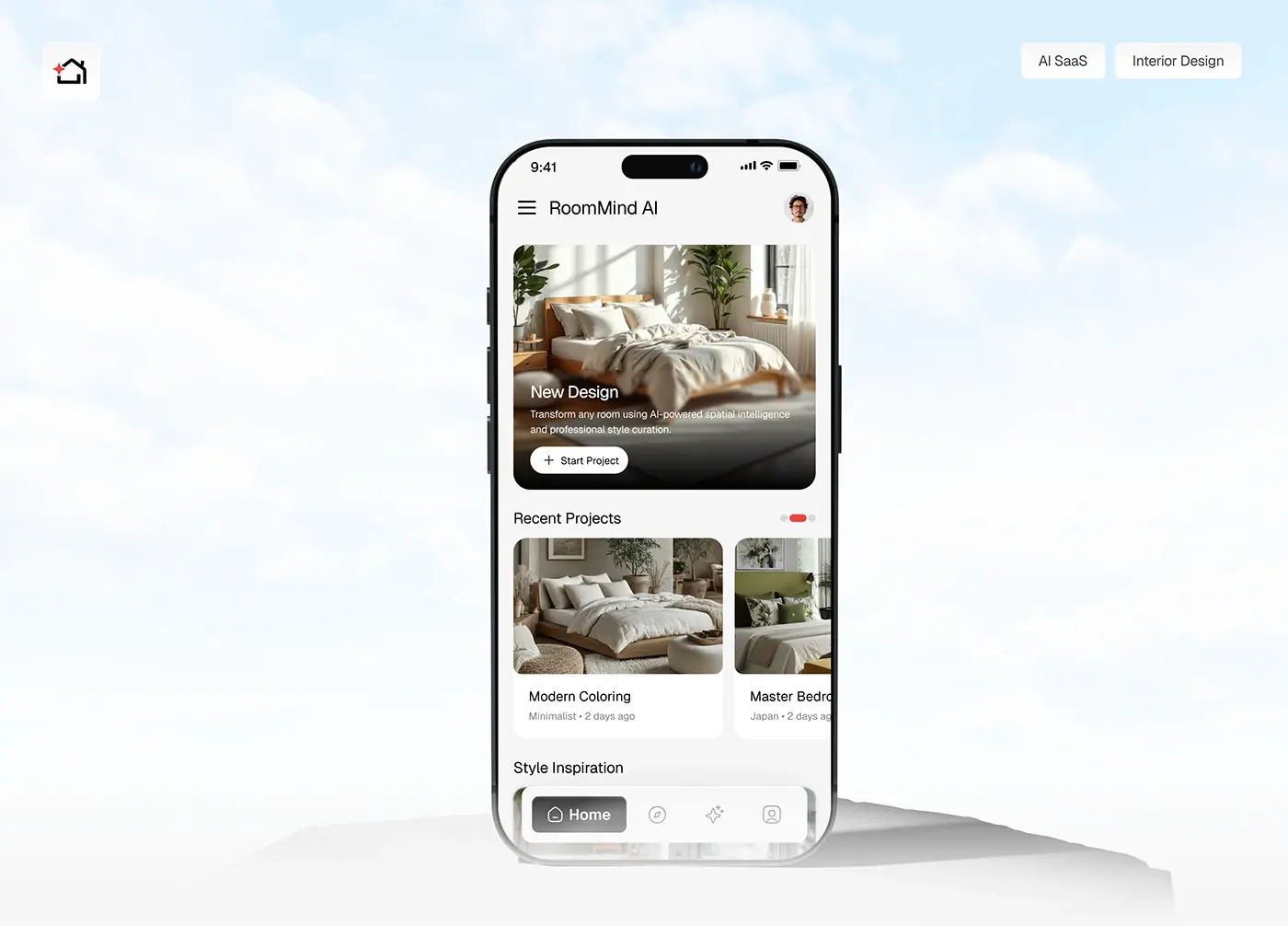
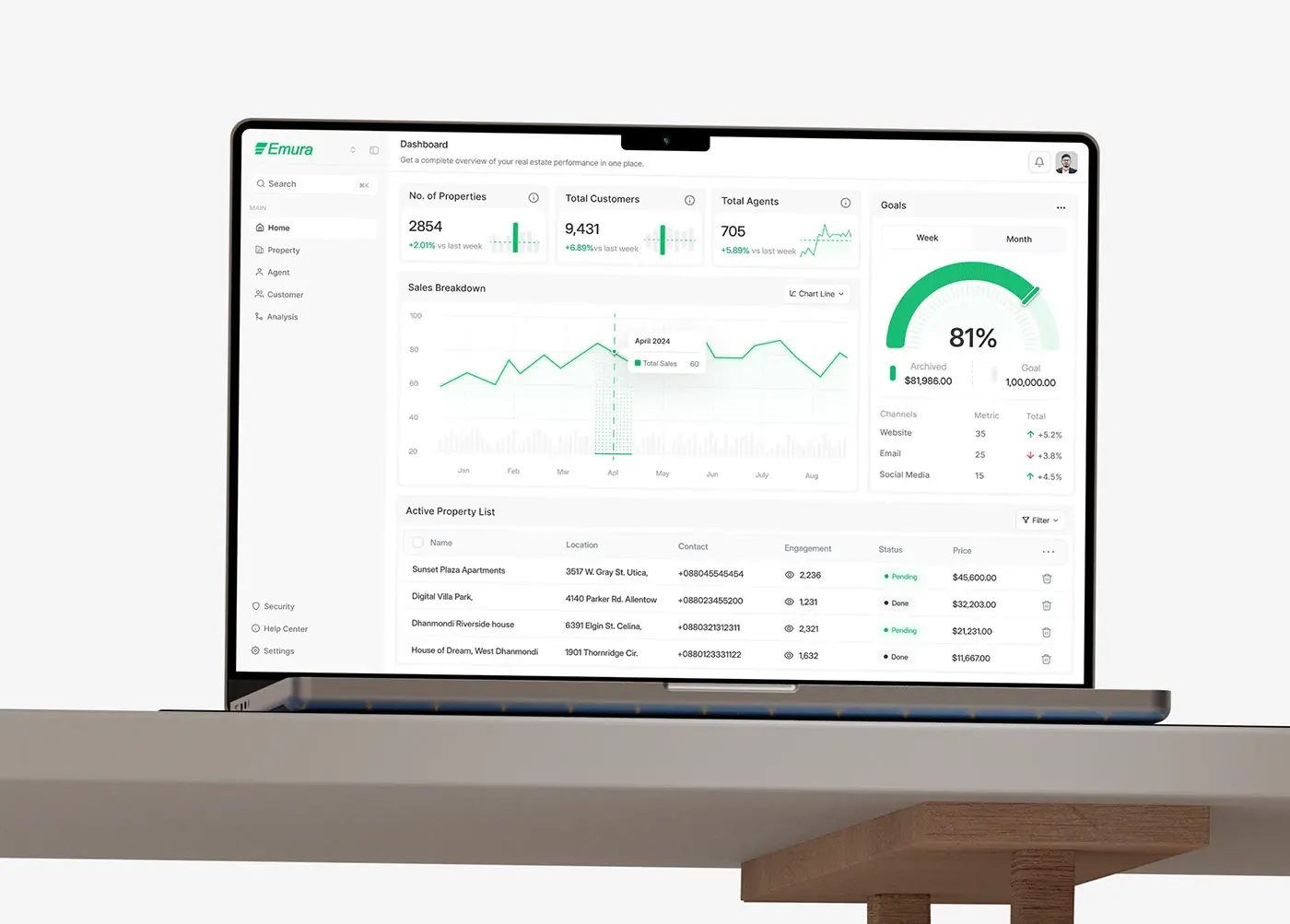
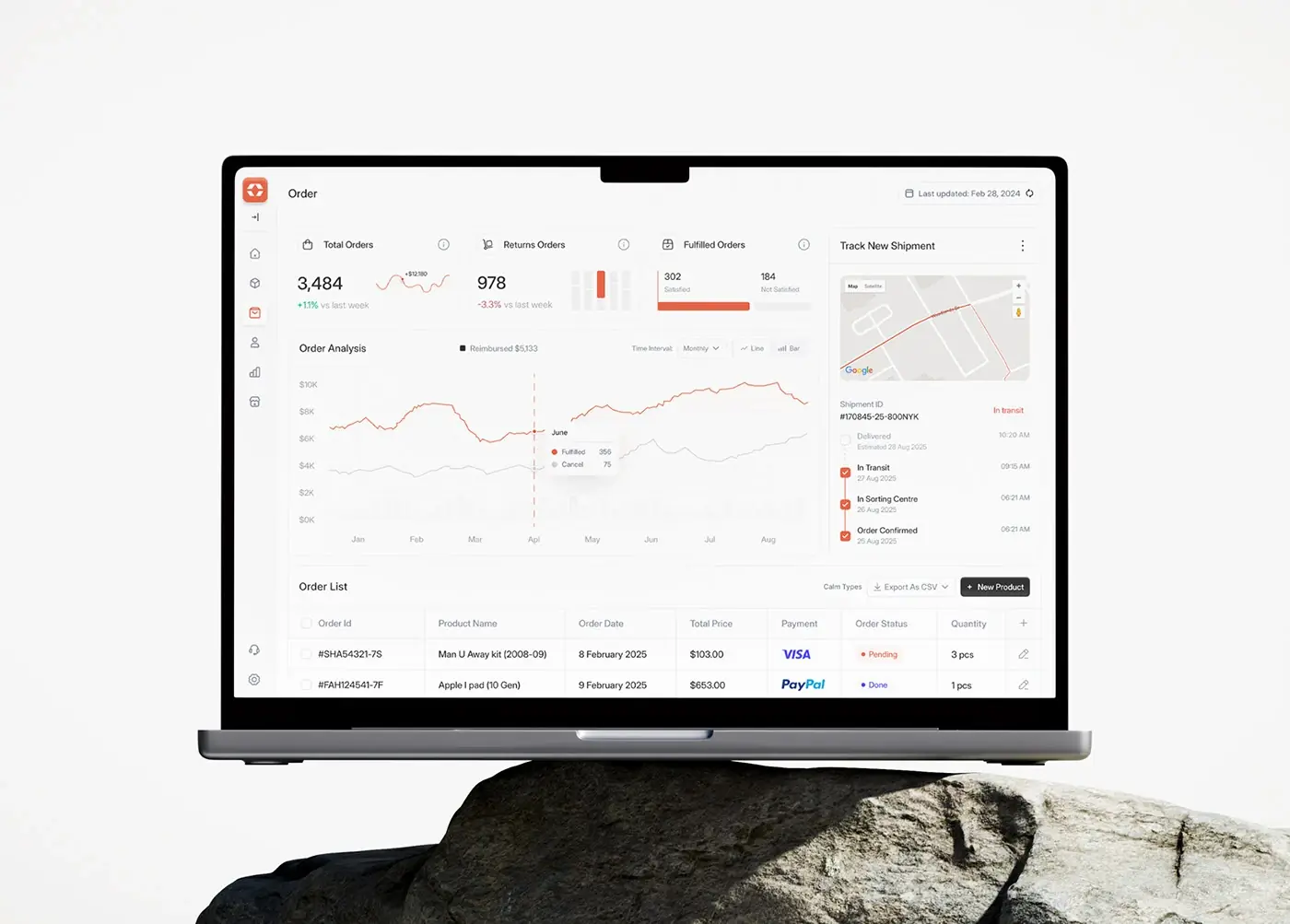
Seven fintech design case studies, from a mobile wallet and two AI money dashboards to a banking website and three pages that sell fintech products. Each one shows what I designed, why, and every screen of the presentation.
Real estate · 2026
A Shariah-compliant fractional real estate investing web app for Saudi Arabia
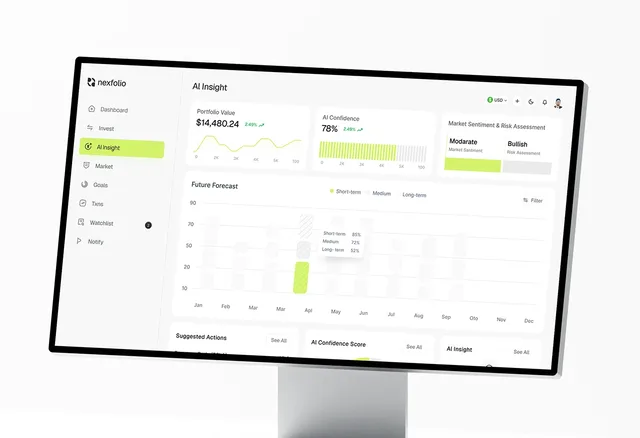
Fintech · 2025
An AI-powered investment dashboard
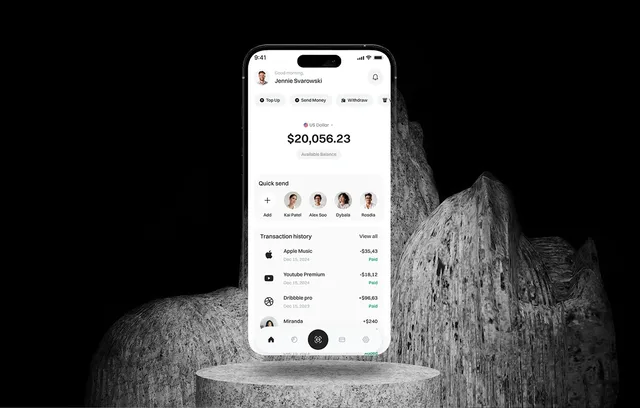
Fintech · 2025
A mobile wallet for sending, receiving and tracking money
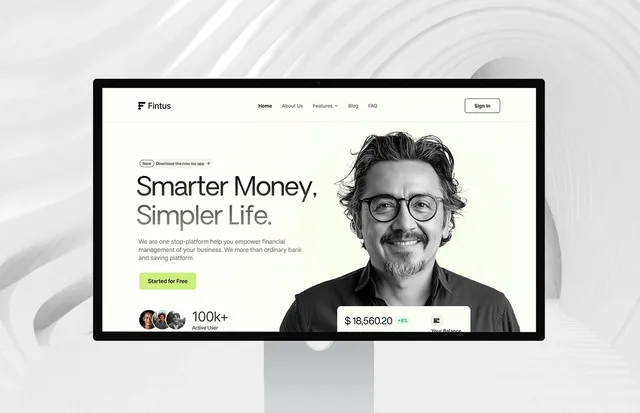
Fintech · 2024
A website for a banking and saving platform
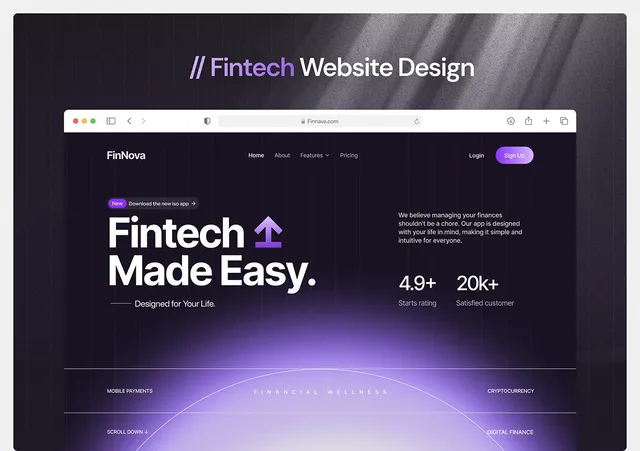
Fintech · 2024
A product website for a fintech SaaS
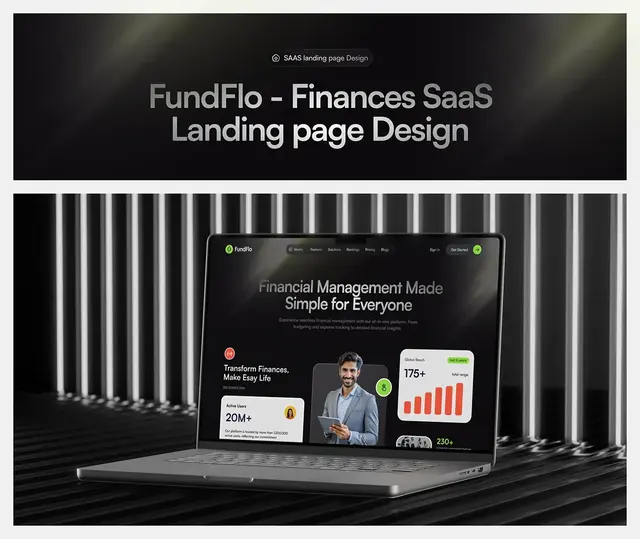
Fintech · 2024
A landing page for a finance SaaS
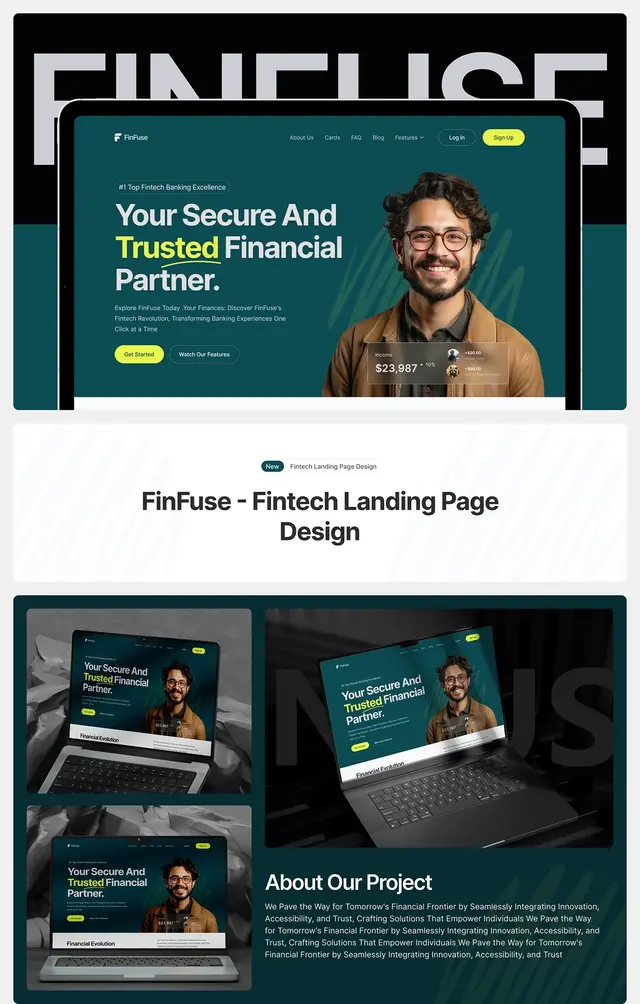
Fintech · 2024
A landing page for a fintech partner
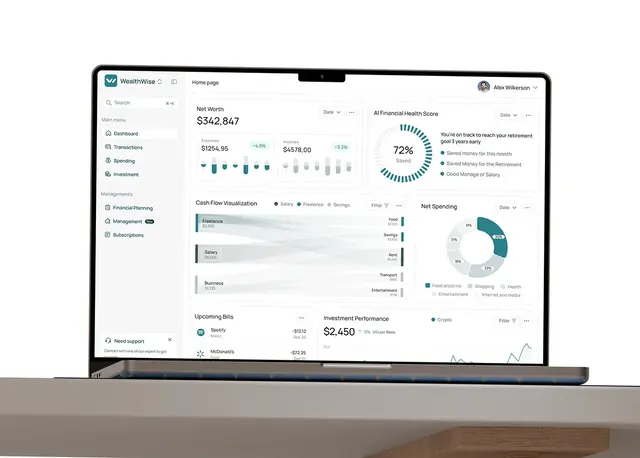
Fintech · 2026
An AI personal finance dashboard
Money products are read in a hurry and trusted slowly. Every project here starts from the same two questions: what does the person need to see first, and what would make them doubt the product? The answers shape the layout. Balances and the next action sit at the top, history and detail sit one tap or one scroll away, and anything that moves money gets a clear confirmation step.
The other thread is trust on the marketing side. A fintech website or landing page has a few seconds to say what the product does, who it is for and why it is safe, before anyone reads a feature list.
I design fintech products as product design first and visual design second. That means mapping who does what (sending, receiving, investing, approving), then the states each screen can be in: empty, loading, failed, pending and done. A wallet that only looks good with a full balance falls apart on day one. The visual system comes after: a type scale that keeps numbers readable, colour that separates money in from money out, and components a developer can build without guessing. For more on the work itself, see my fintech product design page.
The problem the product solves, who uses it, and the main flows: onboarding, the home screen, sending or investing money, and history. It should also show the states that matter in finance, like pending and failed payments, and the design system behind the screens. Every case study on this page includes the full presentation, so you can see each screen rather than a few highlights.
Yes. Fintus and the fintech SaaS website are marketing sites, and FundFlo and FinFuse are landing pages. ZenPay had both: the mobile app and a landing page that sells it. Designing both sides keeps the promise on the website the same as the experience in the product.
Yes. I build web apps and front ends in React and Next.js, and iOS and Android apps in React Native or Flutter, from the same documented design system. Every project starts with a free 30 minute intro call, then a written scope and one fixed quote.
A free 30 minute call. You leave with a clear next step, whether we work together or not.
Book a free intro call